Showing posts with label Rome. Show all posts

Monday, 19 December 2022

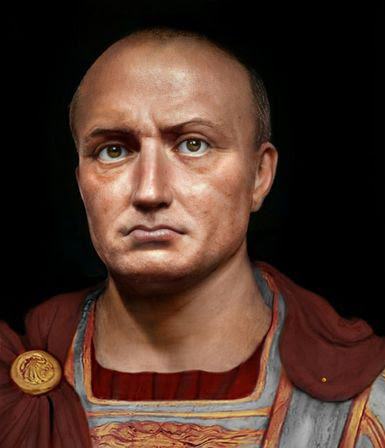
Pompey | Timeline

Gnaeus Pompeius Magnus
(29 September 106 BC – 28 September 48 BC), known in English as Pompey or Pompey the Great, was a leading Roman general and statesman. He played a significant role in the transformation of Rome from republic to empire. He was (for a time) a student of Roman general Sulla as well as the political ally, and later enemy, of Julius Caesar. (Intro from Wikipedia)

September 9, 106 B.C. - Picenum (Ancona region) - Gnaeus Pompeius Magnus is born
January(?) 1(?), 104 B.C. - Picenum - Pompey's father, Gnaeus Pompeius Strabo, becomes Quaestor
January(?) 1(?), 93 B.C. - Syracusae, Sicily - Gnaeus Pompeius Strabo, becomes promagistrate in Sicily
January(?) 1(?), 92 B.C. - Picenum - Gnaeus Pompeius Strabo, becomes Praetor
January(?) 1(?), 91 B.C. - Picenum - Pompey begins serving under his father in the Social War
June(?) 1(?), 90 B.C. - Firmum (Città di Fermo, Adriatic Coast) - Battle of Firmum - Victory for Pompeius Strabo. 16-year-old Pompey might have participated, under his father's orders
October(?) 1(?), 90 B.C. - Asculum (Ascoli Piceno, Italy) - In the Autumn, Pompeius Strabo breaks out of Picenum and drives the rebels back to Asculum. He lays siege to the city
November(?) 1(?), 90 B.C. - Etruria - Pompeius Strabo defeats a rebel column trying to march into Etruria, killing 5,000 rebels
January(?) 1(?), 89 B.C. - Rome - Sulla and Pompeius Strabo elected consuls
February(?) 1(?), 89 B.C. - Asculum - Battle of Asculum - decisive roman victory. 17-year-old Pompey participates under his father's orders - Asculum capitulates after Pompeius Strabo defeats an italian relief army of 60,000 men =(START)
March 15, 89 B.C. - Rome - Gnaeus Pompeius Strabo, becomes consul after his victory at Asculum
December 27, 89 B.C. - Rome - Gnaeus Pompeius Strabo celebrates a Triumph for his victories against the italian allies
January 5(?), 88 B.C. - Picenum - His father's consulship expires. Pompeius Strabo and all his veteran soldiers retire to Picenum
February(?) 1(?), 87 B.C. - Rome - Cinna returns to Rome and betrays Sulla, sending a tribune to Nola to accuse him of murdering civilians. Cinna's bodyguards break into Pompeius Strabo's house and ransack it
March(?) 1(?), 87 B.C. - Picenum - The Senate requests Strabo's help against Gaius Marius and Lucius Cornelius Cinna. He departs with his army to Rome
June(?) 1(?), 87 B.C. - Outside Rome - Pompeius Strabo fights inconclusively against Cinna's lieutenants Quintus Sertorius and Papirius Carbo during the "Bellum Octavianum"
September(?) 1(?), 87 B.C. - Outside Rome - Strabo and his army camp outside the Coline Gate. In a few days an outbreak of dysentery begins affecting the troops and he gets the disease aswell and dies
January(?) 1(?), 86 B.C. - Picenum - After his father's death, Pompey spends some time in the camp of Cinna, but is treated with suspicion and retires with his legions back to Picenum
February(?) 1(?), 86 B.C. - Picenum - An action is brought against him for "peculatus" under the accusation that he was in possession of booty and cash taken by his father from the siege of Asculum. He is acquitted when it is discovered that the theft was committed by one of his father's freedmen. The judge takes a liking of Pompey and offers his daughter Antistia in marriage
January(?) 1(?), 84 B.C. - Picenum - After his father's death, Pompey spends some time in the camp of Cinna, but was treated with suspicion and retires with his legions back to Picenum
April(?) 1(?), 83 B.C. - While in Picenum (Ancona region) - In the Spring, Sulla returns to Italy with 30,000 veterans from his campaigns in Greece and lands with his legions unopposed at Brundisium
May(?) 1(?), 83 B.C. - Southern Italy - Pompey raises three legions and decides to join Sulla, together with Metellus Pius and Crassus
December(?) 1(?), 83 B.C. - Picenum - While Sulla advances on Rome, Pompey returns to Picenum to fight the anti-sullans there
May(?) 1(?), 82 B.C. - Rome(?) - Sulla sends Metellus Pius to secure the northern parts of Italy, accompanied by young Pompey, Marcus Crassus and Marcus Lucullus
August(?) 1(?), 82 B.C. - Picenum (Ancona region) - Metellus Pius attacks and defeats Gaius Carrinas in Picenum
September(?) 1(?), 82 B.C. - Faventia (Faenza, near Ravenna) - Metellus Pius defeats the consul Papirius Carbo and his general Gaius Norbanus at Faventia
October(?) 1(?), 82 B.C. - Ravenna - Pompey takes Ravenna
November(?) 1(?), 82 B.C. - Rome(?) - Pompey is ordered by Sulla to stamp out democratic rebels in Sicily and Africa
December(?) 1(?), 82 B.C. - Ostia - Pompey sails for Sicily with 120 warships and 6 legions in 800 transport ships
January(?) 1(?), 81 B.C. - Lilybaeum (Marsala), western tip of Sicily - Pompey hunts down the Marian leadership. Papirius Carbo, the Marian Consul, is caught by Pompey's men on Pantellaria Island and taken to Pompey who has him executed
February(?) 1(?), 81 B.C. - Utica, Tunisia - Battle of Utica - Sullan victory
March 12, 81 B.C. - Rome - Pompey is allowed to celebrate a Triumph after his campaigns in Sicily and Africa. He gets the insulting nickname of adulescentulus carnifex, the "teenage butcher".
January(?) 1(?), 77 B.C. - Etruria - Marcus Aemilius Lepidus, Roman consul and leader of the democratic party, is defeated by Quintus Lutatius Catulus outside Rome. The remnants of the rebels are wiped out by Pompey in Etruria.
June(?) 1(?), 77 B.C. - Mutina (Modena, Italy) - After assisting Consul Catulus in putting down the rebellion of Marcus Aemilius Lepidus, Pompey asks to be sent to reinforce Metellus Pius in Hispania. He then recruits an army of 30,000 infantry and 1,000 cavalry
October(?) 1(?), 77 B.C. - Gallia Narbonensis (Languedoc/Provence) - Leads his legions to Spain through a welter of carnage in a transalpine war during the Autumn
December(?) 1(?), 77 B.C. - Narbo Martius (Narbonne, France) - Pompey winters at Narbo Martius
April(?) 1(?), 76 B.C. - Col de Petrus - In the Spring, Pompeius marches along the Via Domitia through Gallia Narbonensis crossing the Pyrenees at Col de Petrus to Spain. He joins with Quintus Metellus Pius to suppress the revolt of Quintus Sertorius, but is at first unsuccessful.
August(?) 1(?), 76 B.C. - near Sucro (Alzira, 36km from Valencia) - Battle of Lauron - Sertorius and his rebels defeat Pompey. Sertorius withraws when Metellus Pius arrives with his army
December(?) 1(?), 76 B.C. - Near the Pyrenees - Pompey retreats north of the Ebro River and sets up winter quarters near the Pyrenees
April(?) 1(?), 75 B.C. - Plain of Valentia (Valencia, Hispania) - Pompey moves south to the plain of Valentia
May(?) 1(?), 75 B.C. - Valentia (Valencia, Hispania) - Battle of Valentia - Pompey is victorius against Sertorius' legates Perpenna Vento and Herennius, regaining his prestige. Valentia is taken and sacked
June(?) 1(?), 75 B.C. - Arbalat de la Ribera, Valencia - Battle of Sucro - indecisive. Metellus arrives the following day (probably from Segovia) and joins Pompey
July(?) 1(?), 75 B.C. - Langa de Duero, Soria, North-central Spain - Both armies move north - Battle of Saguntum - indecisive
October(?) 1(?), 75 B.C. - Clunia, near Burgos - In the Autumn, Pompey lays siege to a series of celtiberian towns including Clunia
December(?) 1(?), 75 B.C. - River Duero (Douro) valley - Winter with the Vaccaei
April(?) 1(?), 74 B.C. - Pallantia (Palencia, NW Hispania) - Pompey lays siege to Pallantia but is forced to retreat by Sertorius
May(?) 1(?), 74 B.C. - Calagurris (Calahorra, North central Spain) - Sertorius follows Pompey to Calagurris and defeats him
December(?) 1(?), 74 B.C. - Western Pyrenees - Winter in the western Pyrenees. Pompey sends a letter to the Senate asking for reinforcements
January(?) 1(?), 73 B.C. - River Ebro valley - Metellus Pius receives two more legions. He and Pompey then descend from the Pyrenees to the River Ebro
January(?) 1(?), 72 B.C. - While at the River Ebro Valley - Quintus Sertorius is assassinated by his subordinate, Marcus Perperna, who is in turn defeated by Pompey
June(?) 1(?), 72 B.C. - Calagurris (Calahorra, North central Spain) - Siege of Calagurris and end of the war
January(?) 1(?), 71 B.C. - Foot of the Alps - While returning to Rome, Pompey is ordered to bypass Rome and head south to aid Crassus
June(?) 15(?), 71 B.C. - North of Salerno, Southern Italy - Pompey's legions capture some 5,000 rebels fleeing from the Battle of Silarius River, killing them all
January 1, 70 B.C. - Rome - 36-year-old Pompey becomes Consul and Senator at the same time
January 1(?), 69 B.C. - Rome - Pompey leaves public life after his consulship
January(?) 1(?), 68 B.C. - While in Rome - Cilician pirates launch a raid at the port of Ostia, burning the consular war fleet
January(?) 1(?), 67 B.C. - Rome - The Senate passes a law appointing Pompey commander-in-chief for the war against the pirates who were operating in the Mediterranean, disrupting grain supplies to Rome. The "lex Gabinia" gives Pompey command of the Mediterranean and its coasts for 50 miles inland for three years
February(?) 1(?), 67 B.C. - Ostia(?) - Pompey divides the Mediterranean into 13 zones – six in the West and seven in the East – to each of which he assigns a fleet under an admiral. In total he raises a fleet of 500 warships
March(?) 15(?), 67 B.C. - Western Mediterranean - 40-day campaign in the Western Mediterranean against the pirates
May(?) 1(?), 67 B.C. - Eastern Mediterranean - 49-day campaign in the Eastern Mediterranean against the pirates
June(?) 1(?), 67 B.C. - Korakesion (Alanya, Southern turkish coast) - Battle of Korakesion - Roman victory against the cilician pirates. 20,000 pirates surrender
August(?) 1(?), 67 B.C. - Cilicia (Eastern South coast of Turkey) - Pompey finishes his campaign in just 89 days. He offers the ex-pirates and their families clemency, he settles them in agricultural colonies in eastern Mediterranean lands.
January(?) 1(?), 66 B.C. - While in Cilicia - The lex Manilia, supported by Cicero gives Pompey the Mithradatic Command, replacing L. Lucullus
June(?) 1(?), 66 B.C. - Lycus (Kelkit) River, Turkey (near the Black Sea) - Battle of the Lycus: Pompey the Great decisively defeats Mithridates VI, effectively ending the Third Mithridatic War
September(?) 1(?), 66 B.C. - Artaxata (Artashat, Armenia) - Tigranes II is forced to surrender, by a payment of 6,000 talents, and is reinstated by Pompey as a "friend of the Roman people" to hold Armenia as a buffer zone.
December 1(?), 66 B.C. - Caucasian Albania (Azerbaijan) - Winter quarters in the Kingdom of Albania
April(?) 1(?), 65 B.C. - Iberia (Southern Georgia) - Marches into Iberia in the Spring
May(?) 1(?), 65 B.C. - near the Pelorus River, Iberia - Battle of the Pelorus - Roman victory. Pompey the Great subjugates the kingdom of Iberia. He then marches northwest towards the Kingdom of Colchis (Northern Georgia)
June(?) 1(?), 65 B.C. - Phasis (Poti, Georgia) - Pompey meets with Admiral Servilius and his fleet in Phasis, commanding him to blockade King Mithridates while he returned to Albania (Azerbaijan) to quell a revolt
August?) 1(?), 65 B.C. - Alazani, Azerbaijan - Battle of the Abas - Roman victory. Many of the tribes of the Causasus and Caspian send envoys to conclude peace with Rome
December(?) 1(?), 64 B.C. - Antioch (Antakya, Turkey-Syria border) - Winter at Seleucid Syria's capital of Antioch. Caesar becomes candidate to the consulship at the end of 64 B.C. - Crassus and Pompey support his campaign
January(?) 1(?), 63 B.C. - Damascus, Syria - Arrives in Damascus
April 5, 63 B.C. - While in Damascus - Prince Aristobulus and the Sadducees are besieged in the Temple of Jerusalem by Prince Hyrcanus and King Aretas of Petra, his ally. Aristobulus sends an envoy to Pompey's representative in Syria, Marcus Aemilius Scaurus
October 1(?), 63 B.C. - Jerusalem - Pompey's legions storm Jerusalem after a 3-month siege
December 1(?), 62 B.C. - Brundisium (Brindisi, SE Italy) - Returns to Italy at the end of 62 B.C. He demobilizes the legions, instructing the soldiers to gather again only when it was time for them to march in his triumph
December 15(?), 62 B.C. - Rome(?) - Pompey divorces his wife Mucia almost as soon as he had returned to Italy
September 28, 61 B.C. - Rome - Pompey celebrates his third Triumph, commemorating his victories over the pirates and Mithridates
December 1(?), 60 B.C. - Rome - Caesar, Crassus and Pompey form a political alliance named the "First Triumvirate". Orator Cicero is offered a part of the alliance but declines
May(?) 1(?), 59 B.C. - Rome - In late April or Early May, Caesar marries his daughter Julia to his political ally Pompey
January(?) 1(?), 58 B.C. - Rome - Assumes the position of "praefectus annonae", who oversaw grain deliveries to Rome
April 8, 56 B.C. - Rome - Meeting with Cicero
April 11, 56 B.C. - Rome - Departs for Luca to meet with Julius Caesar
April 13, 56 B.C. - While in on his way to Luca - Caesar invites Crassus and Pompey to renew the First Triumvirate. Caesar meets with Crassus at Ravenna
April 18, 56 B.C. - Luca, Cisalpine Gaul (Lucca, Tuscany) - Five days later, Caesar meets with Pompey at Luca. After these two meetings, Caesar, Crassus and Pompey renew the First Triumvirate and Caesar extends his Governorship of Gaul. The three agree that Pompey and Crassus would again stand for consulship next year
January(?) 1(?), 55 B.C. - Rome - Crassus and Pompey share the consulship
January(?) 1(?), 54 B.C. - Rome - Pompey builds the first permanent theatre in Rome
May(?) 1(?), 52 B.C. - Rome - Pressured by Pompey, Cicero does not participate in a Senate debate on Julius Caesar's campaign in Gaul
May 15, 52 B.C. - Rome - Senate meeting
February 1, 52 B.C. - Rome - After several attempts to hold elections had failed, the Senate passed an emergency decree declaring martial law and authorizing Pompey to levy troops in order to restore order in Rome
February 5, 52 B.C. - Rome - Pompey is elected Consul
January(?) 1(?), 51 - Rome - Pompey orders Julius Caesar to return unarmed to Rome because his term as governor or Gaul had ended and he had to face re-election
January 1, 50 B.C. - Rome - After voting, the Senate demands that both Pompey and Julius Caesar lay down their commands simultaneously
April 15, 50 B.C. - Rome - A senatorial decree requires Julius Caesar and Pompey to contribute one legion each to reinforce the troops in Syria, which was under attack by the neighboring Parthians
December 21, 50 B.C. - Rome - At a public meeting, the tribune Marcus Antonius (Mark Antony) viciously attacks Pompey
January 3, 49 B.C. - Outside Rome - Pompey meets the senators outside Rome, urging them to take decisive action against Caesar
January 7, 49 B.C. - Rome - The Roman Senate declares Julius Caesar a public enemy and appoints Pompey to organize the defence of Italy
January 17, 49 B.C. - Rome - With his legions far from Rome in the south, Pompey realizes he is unable to defend the City. He and most of the Senate leave Rome to Capua
February 19, 49 B.C. - Lucera (near Foggia) - Pompey learns of the impending capitulation of Corfinium and leaves for Canusium (Canosa di Puglia), refusing to bring aid to Corfinium
February 20, 49 B.C. - Canusium (Canosa di Puglia) - Pompey reaches Canusium
February 25, 49 B.C. - Brundisium (Brindisi, SE Italy) - Pompey reaches Brundisium
March 4, 49 B.C. - Brundisium - The consuls sail from Brundisium for Dyrrachium with 30 cohorts
March 17, 49 B.C. - Brundisium - The pompeian fleet returns to brundisium. Pompey and his troops flee to Epirus
March 20(?), 49 B.C. - Epirus (Greece-Albania border) - Lands in Epirus
January 7, 48 B.C. - Macedonia | Apollonia (near Fier, Albania) - While marching from Macedonia to Apollonia, Pompey learns of Caesar's landing
January 10, 48 B.C. - Dyrrhachium (Durrës, Albania) - Julius Caesar marches to Dyrrhachium, but Pompey arrives there first
January 19, 48 B.C. - Dyrrhachium - Pompey sends a messenger to Scipio at Ephesus to send two legions to Macedonia
April 5, 48 B.C. - Asparagium, Genusus River (Shkumnin River, Albania) - Pompey establishes his camp south of Dyrrhachium, at Asparagium, at the Genusus River
July 10, 48 B.C. - Dyrrhachium - Battle of Dyrrhachium - Pompey victory. Caesar moves for Apollonia, with Pompey in pursuit
August 2, 48 B.C. - near Larissa, Greece - Pompey establishes his camp near Larissa and joins forces with Scipio
August 5, 48 B.C. - near Pharsalus (Farsala, Central Greece) - Pompey establishes his camp near Pharsalus
August 9, 48 B.C. - Pharsalus (Farsala, Central Greece) | Larissa - Caesar decisively defeats Pompey (battle of Pharsalus). Pompey flees to Larissa
August 12, 48 B.C. - Amphipolis (Amfipoli, W. of Kavala, Greece) - Pompey arrives at Amphipolis
August 13, 48 B.C. - Amphipolis - Pompey sets sail to Mytilene, to take his wife Cornelia and son Sextus on board
August 16, 48 B.C. - Mytilene, Lesbos Island - Pompey arrives at Mytilene
August 28, 48 B.C. - South coast of Turkey - Pompey reaches the coast of Cilicia and begins rebuilding his army
September 20, 48 B.C. - Cyprus - Pompey crosses to Cyprus
September 24, 48 B.C. - Paphos, Cyprus - Pompey departs for Egypt
September 27, 48 B.C. - Pelusium (30km SE of Port Said, Egypt) - Pompey arrives in Egypt
September 28, 48 B.C. - Pelusium - Pompey is assassinated by advisors of King Ptolemy XIII of Egypt, aged 57, hoping to secure Caesar's favor in the Egyptian civil war against her sister Cleopatra =(END)

Sunday, 11 December 2022

Sulla | Timeline

Source: Verein Cultura Romana
Lucius Cornelius Sulla Felix (138–78 BC), commonly known as Sulla, was a Roman general and statesman. He won the first large-scale civil war in Roman history and became the first man of the Republic to seize power through force. (Intro from Wikipedia)

January(?) 1(?), 138 B.C. - Rome - Lucius Cornelius Sulla Felix is born
January(?) 1(?), 108 B.C. - Rome - Approaching thirty, Sulla rises out of poverty when his stepmother and her lover Nicopolis - both wealthy women - die and leave him their property. He is then able to take his rightful place in society and launch himself into a career of status =(START)
December(?) 1(?), 108 B.C. - Rome - At the age of 30, Sulla runs for election for quaestor and is elected. Under normal conditions, a candidate for quaestorship had to have served 10 years in the army, but it was acceptable in the eyes of the people to run if he had reached the minimum age of 30. 
June(?) 1(?), 107 B.C. - While in Rome - Sulla begins serving Consul Gaius Marius as quaestor. Having enacted the Marian reforms of the Roman army, Gaius Marius arrives in Numidia (Algeria) to lead the war against Jugurtha. Sulla stays behind with the task of gathering a cavalry force in province of Latium (Lazio) to fight the desert nomads
April 1(?), 106 B.C. - near Cirta, Numidia (Constantine, Algeria) - Sulla arrives with a cavalry force he had raised in Latium
May(?) 1(?), 106 B.C. - near Cirta - Second Battle of Cirta - Roman Victory
August(?) 1(?), 106 B.C. - Algeria - Sulla captures Jugurtha, thus ending the Jugurthine War. His success is made possible by inducing Bocchus I, king of Mauretania, to hand over Jugurtha to the Romans
January 1, 105 B.C. - Rome - Gaius Marius celebrates a triumph in Rome. He enters the Senate in his triumphal robes, showing his contempt for the nobility and all they represented
June(?) 1(?), 104 B.C. - Cisalpine Gaul (Northern Italy)(?) - Sulla puts an end to all resistance by capturing the leader of the Tectosages, chief Copillus
January(?) 1(?), 103 B.C. - Cisalpine Gaul(?) - Promoted to Tribunus Militum. Succeeds in persuading the Germanic Marsi tribe to become friends and allies of Rome
January(?) 1(?), 102 B.C. - Cisalpine Gaul(?) - Promoted to Legatus. Joins Catulus early in 102
July 30, 101 B.C. - Vercellae (Vercelli - between Turin and Milan) - Battle of Vercellae - Gaius Marius and Catulus defeat the Cimbri (Sulla commands the cavalry)
January(?) 1(?), 98 B.C. - Rome - Runs for the office of Praetor but is not elected. He promises to organize the "Ludi Apollinares" games if elected in the next year
January(?) 1(?), 97 B.C. - Rome - Sulla is elected Urban Praetor. He fulfills his promise and organizes the "Ludi Apollinares" games
June(?) 1(?), 97 B.C. - Rome - Sulla displays a lion hunt for the first time in games at Rome. Through his hability and contacts in North Africa, he is able to bring hundreds of wild animals to Rome
January(?) 1(?), 96 B.C. - Cilicia, SE Turkey - After the end of his praetorship, he is sent to take charge of the province of Cilicia as "Pro Consule" and end the rampant piracy of that region. He also works to end the war between King Mithrodites VI of Pontus and King Nicomedes III of Bythinia over the Kingdom of Cappadocia
January(?) 1(?), 95 B.C. - Cappadocia - Sulla installs King Ariobarzanes on throne of Cappadocia
January(?) 1(?), 94 B.C. - Cilicia - Sulla meets Parthian and Cappadocian diplomats
January(?) 1(?), 93 B.C. - Rome - Returns to Rome
January(?) 1(?), 91 B.C. - Rome - Sulla's old friend King Bocchus of Mauritania pays a state visit to Rome, bringing exotic animals, wealth and paintings (depicting the joint capture of Jugurtha by Bocchus and Sulla in 107 B.C.). With the depiction of Sulla instead of him, Gaius Marius is insulted and demands the paintings to be removed
June(?) 1(?), 91 B.C. - Nola, near Naples, Campania - From Nola, Sulla has a series of very successful campaings in Southern Italy, crushing the italian armies, gaining prestige in Rome and the loyalty of several legions
January(?) 1(?), 89 B.C. - Rome - Sulla and Pompeius Strabo elected consuls
March 15, 89 B.C. - Rome - Assumes office in the Ides of March
April 30, 89 B.C. - Stabiae (Castellammare di Stabia, Campania) - Sulla takes and destroys Stabiae
May 15(?), 89 B.C. - Pompeii - Sulla lays siege to Pompeii
June 11, 89 B.C. - Pompeii - Sulla captures Pompeii from the rebels
June(?) 15(?), 89 B.C. - Nola - Sulla chases the samnite rebels to Nola and massacres 20,000 of them at the Battle of Nola
June(?) 25(?), 89 B.C. - Aeclanum (Mirabello) - Sulla turns against the Hirpini and attacks the town of Aeclanum
July(?) 1(?), 89 B.C. - Corfinium (Popoli) - Sulla destroys the Samnite army and takes their capital Corfinium
October 1(?), 89 B.C. - Rome - Sulla returns to Rome and wins the election to the consulship for 88 B.C, defeating as one of his main competitors Caius Julius Caesar Strabo.
January(?) 1(?), 88 B.C. - Rome - Sulla is elected Consul almost unanimously after his military victories in the Social War
February(?) 1(?), 88 B.C. - While in Nola - As Consul, the Senate gives him the war with King Mithridates VI of Pontus as his province
March(?) 1(?), 88 B.C. - While in Nola - Violence erupts in the streets of Rome again, induced by tribune P. Sulpicius Rufus
March(?) 15(?), 88 B.C. - Rome - Sulla returns to Rome to quell the trouble, declaring public holiday on his arrival. He is forced to retreat and flees to Gaius Marius' house, where he is unexpectedly invited for dinner. Marius advices him to back down the public holiday as a measure to end the crisis. He gives in to pressure and cancels the holiday, leaving Rome humiliated
March(?) 20(?), 88 B.C. - While in Rome - While Sulla returns to his legions in Nola, Sulpicius blindsides him, issuing a law that transfered the command of the roman army against Pontus from Sulla to Gaius Marius
March(?) 25(?), 88 B.C. - Nola - The news from Rome reach Sulla. He is humiliated, and infuriated as it was his right to command the army against Pontus as Consul. He informs his legions, which are frustrated to miss out on the campaign in the East and thus the vast treasure to be plundered in Pontus. He proposes to his council of war to march on Rome
May(?) 1(?), 88 B.C. - Rome - Sulla marches to Rome and captures the city by force. Gaius Marius and Sulpicius are named enemies of Rome and an order is issued for them to be executed if caught. Gaius Marius flees to Ostia and then to Africa.
May(?) 15(?), 88 B.C. - Rome - Sulla sends his legions back to Nola to show the people of Rome that he was not a tyrant
June(?) 1(?), 88 B.C. - While in Rome - Asiatic Vespers - Mithridates VI, King of Pontus, orders the death of every roman or latin-speaking person living in western Anatolia. From 80,000 to 150,000 people are killed, igniting the First Mithridatic War
January(?) 1(?), 87 B.C. - Nola - Joins his six legions in Nola
February(?) 1(?), 87 B.C. - Nola - Cinna returns to Rome and betrays Sulla, sending a tribune to Nola to accuse him of murdering civilians. Sulla ignores Cinna's envoy and continues to recruit troops
March(?) 1(?), 87 B.C. - Brundisium (Brindisi, SE Italy) - Sulla leaves one legion in Nola and arrives in Brundisium with the other five - starting point of his Pontic campaign
April(?) 1(?), 87 B.C. - Epirus (Greece-Albania border) - Lands in Epirus
May(?) 1(?), 87 B.C. - Athens, Greece - Sulla arrives in Greece and besieges both Athens and Piraeus. He orders Lucius Licinius Lucullus to raise a fleet from Rome's allies around the eastern Mediterranean.
December(?) 1(?), 87 B.C. - While in Athens - The Senate opens the gate of Rome to Cinna and Gaius Marius. Cinna declares Sulla an "Enemy of the State" instead of Gaius Marius. After months of exile, Gaius Marius returns to Rome with his troops. The "Marian Terror" begins as Marius' troops begins sacking Rome. Consul Octavius is beheaded by Cinna's men and impaled before the forum. Several other important men are murdered or forced to commit suicide, including Marcus Crassus Dives (father of Marcus Licinius Crassus)
March 1, 86 B.C. - Athens, Greece - Sulla captures Athens from the Pontic army, removing the tyrant Aristion.
April(?) 1(?), 86 B.C. - Chaeronea, Central Greece - Sulla moves to the north and defeats the reinforced Pontic army at Chaeronea
May(?) 1(?), 86 B.C. - Orchomenus, Central Greece - The Pontic army returns to Greece and Sulla defeats it at Orchomenus
September(?) 1(?), 86 B.C. - Dardanus, near Troy, Bosphorus - The Dardani ally with Pontus and are defeated by Sulla soon after.
January(?) 1(?), 85 B.C. - Dardanus - Sulla signs the Peace of Dardanus, concluding the war with Mithridates VI. The King of Pontus is forced to give up all his conquests and pay crippling war endemnities but is lucky to return home alive considering the genocide of latin-speaking peoples
March(?) 1(?), 85 B.C. - While in Dardanus - Lucius Valerius Flaccus is murdered at Nicomedia during a mutiny fomented by his subordinate General Flavius Fimbria
June(?) 1(?), 85 B.C. - Nicomedia (Izmit, Turkey) - Sulla forces Flavius Fimbria to commit suicide
June(?) 1(?), 84 B.C. - While in Nicomedia(?) - The Senate and Sulla negotiate his return
October(?) 1(?), 84 B.C. - Dyrrachium (Durrës, Albania) - In preparation of his invasion of Italy, Sulla's forces move to Dyrrachium in the Autumn, via Macedonia and Thessaly
April(?) 1(?), 83 B.C. - Brundisium - In the Spring, Sulla returns to Italy with 30,000 veterans from his campaigns in Greece and lands with his legions unopposed at Brundisium
May(?) 1(?), 83 B.C. - Southern Italy - Metellus Pius, Pompey and Crassus join Sulla
November 1(?), 83 B.C. - Mount Tifata, Campania - Battle of Mount Tifata - Sulla defeats the popular forces of Gaius Norbanus
April 1, 82 B.C. - Sacriporto, (near Palestrina, Italy) - Battle of Sacriportus - Sulla and his Optimates win against the Populares of Cinna and Marius
April 4, 82 B.C. - Praenestre (Palestrina, Lazio) - Sulla besieges Praeneste (where Gaius Marius the Younger took refuge) and takes the city. Later, Marius commits suicide.
May(?) 1(?), 82 B.C. - Rome(?) - Sulla sends Metellus Pius to secure the northern parts of Italy, accompanied by young Pompey, Marcus Crassus and Marcus Lucullus
November 1, 82 B.C. - Rome - Battle of the Colline Gate - Sulla wins the battle and ends the Second Civil War, securing control of Rome and Italy
December 1(?), 82 B.C. - Rome - Sulla is appointed dictator and reforms the Roman government. In total control of the roman capital and its affairs, he institutes a program of executing those whom he perceived to be enemies of the State
December(?) 10(?), 82 B.C. - Rome - Pompey is ordered by Sulla to stamp out democratic rebels in Sicily and Africa.
January 29, 81 B.C. - Rome - Sulla celebrates his triumph over Mithridates
June 1, 81 B.C. - Rome - Sulla wins the elections for "consul designatus" (consul designate) and decides to resign dictatorship at the end of the year. The proscriptions formally end after at least 1,500 people are executed, but their horror would live on the Romans' collective consciousness for the rest of the century
June(?) 1(?), 80 B.C. - While in Rome - After defeating a naval force under Aurelius Cotta, Quintus Sertorius lands at Baelo (near Gibraltar, Iberia) with a tiny army (2,600 men) and opens a successful campaign against the Sullan forces.
December(?) 1(?), 80 B.C. - While in Rome - Battle of the Baetis River: A force of Democratic exiles under Sertorius defeat the legal Roman army of Lucius Fulfidias in Hispania, starting the Sertorian War; Quintus Metellus Pius takes command on behalf of Sulla.
January 1, 79 B.C. - Puteoli (Pozzuoli, Naples) - The people elect Sulla consul once more. He, however, refuses the honour and retires at the end of 80 B.C, moving to his luxurious villa in Puteoli
January(?) 1(?), 78 B.C. - Puteoli - Sulla dies of Liver failure at the beginning of 78 B.C, aged 60 =(END)

Thursday, 17 November 2022

Scipio Africanus | Timeline

Colorization by Alessandro Tomasi
Publius Cornelius Scipio "Africanus"
 (236/235–183 BC) was a Roman general and statesman, most notable as one of the main architects of Rome's victory against Carthage in the Second Punic War. Often regarded as one of the best military commanders and strategists of all time, his greatest military achievement was the defeat of Hannibal at the Battle of Zama in 202 BC. This victory in Africa earned him the epithet Africanus, literally meaning “the African,” but meant to be understood as a conqueror of Africa. (Intro from Wikipedia)

January(?) 1(?), 236 B.C. - Rome, Roman Republic - Publius Cornelius Scipio is born
August(?) 1(?), 218 B.C. - Genoa, Italy - Publius Cornelius Scipio (his father) embarks his legions for Spain while Hannibal crosses the Pyrenees. He takes his 17-year-old son as leader of a small cavalry contingent =(START)
September 27, 218 B.C. - Massilia (Marseille, France) - At Massilia while Hannibal crosses the Rhône River
September 30, 218 B.C. - Roquemaure, Rhône River, France - Scipio (father) reaches the Carthaginian camp 3 days after they had left it, loosing an opportunity to stop them. He decides to pursue Hannibal to block him from entering Italy
November 30(?), 218 B.C. - Ticino River, Northern Italy - Scipio (father) and his cavalry run across Hannibal - Battle of Ticinus - Carthaginian victory - Scipio (father) is badly wounded, but in the confusion, his son cuts his way through to his wounded father and escorts him away from the fight, saving him from being either captured or killed. Scipio (son) is widely acclaimed for the heroic feat. Tiberius Sempronius Longus assumes the command while Scipio (father) recuperates
December 22, 218 B.C. - Trebia River, near Placentia, Northern Italy - Battle of the Trebia - Carthaginian victory (There's no certainty if he participated, but it is likely that he did)
January(?) 1(?), 216 B.C. - Rome - Young Scipio uses the reputation he had gained by saving his father's life to start his public career and run at the elections for military tribune. He is elected
July 25, 216 B.C. - Cannae, Apulia, SE Italy - Consuls Gaius Terentius Varro and Lucius Aemilius Paullus arrive at Cannae with a 85,000-strong army (including Scipio)
August 2, 216 B.C. - Cannae - Battle of Cannae - Catastrophic defeat for the Romans: +50,000 killed. Scipio survives and takes charge of some 10,360 survivors, together with another military tribune, Appius Claudius Pulcher
August 3(?), 216 B.C. - Canusium (Canosa di Puglia, Apulia) - 4,000 of the survivors, including Scipio, elude the carthaginian cavalry and make their way SW to Canusium
April(?) 1(?), 215 B.C. - While in Rome - In Catalonia, his father wins the Battle of Ibera/Dertosa against Hasdrubal Barca
January(?) 1(?), 213 B.C. - Rome - Scipio is elected for the post of "Curule Aedile", a magistracy post that supervisioned the markets, the food supply, public games, festivals and public buildings
January(?) 1(?), 211 B.C. - While in Rome - Battle of the Upper Baetis - Carthaginian victory. Both Scipio's father (Publius Cornelius Scipio) and uncle (Gnaeus Cornelius Scipio) are killed in battle
March 1, 211 B.C. - Rome - As a member of the Salii (a religious college dedicated to Mars), Scipio and other members of the Salii perform war Dances during the celebrations in honor of the Roman God of War
April(?) 1(?), 210 B.C. - Rome - Scipio is elected pro-consul and commander-in-chief of all Roman forces in Hispania. 10,000 infantry and 1,000 cavalry are assigned to him (to add to the strenght of the forces already in Hispania)
August(?) 1(?), 210 B.C. - Ostia - Scipio sets sail to Hispania with 30 quinqueremes
September(?) 1(?), 210 B.C. - Empurium (Empuries, NE of Girona) - Scipio lands in Hispania in late Summer
September(?) 15(?), 210 B.C. - Tarraco (Tarragona, Spain) - The army marches overland to the Roman headquarters in Tarraco
April(?) 1(?), 209 B.C. - Mouth of River Ebro (between Barcelona and Valencia) - Scipio begins his march toward Carthago Nova with 28,000 infantry and 3,000 cavalry, leaving Junius Silanus with 3,000 infantry and 500 cavalry to safeguard the territory north of the river
April(?) 15(?), 209 B.C. - Carthago Nova (Cartagena, Spain) - Scipio arrives in Carthago Nova in 14 days and takes up a position on the peninsula to blockade the city
April(?) 16(?), 209 B.C. - Carthago Nova - Scipio captures Carthago Nova
December(?) 1(?), 209 B.C. - Tarraco - Returns with his forces and hostages to Tarraco, where he winters
March(?) 1(?), 208 B.C. - Tarraco - Scipio begins his march toward Baetica (Andalucia)
April(?) 1(?), 208 B.C. - Baecula (Santo Tomé, NE of Jaén - Spain) - Battle of Baecula - Roman victory
September(?) 1(?), 208 B.C. - Tarraco - After the battle, Scipio leaves 11,000 troops in the field and withraws to his base at Tarraco
March(?) 1(?), 206 B.C. - Tarraco - Scipio begins another march toward Baetica (Andalucia)
April(?) 1(?), 206 B.C. - Ilipa, near Seville, Iberia - Battle of Ilipa - Roman victory
May(?) 1(?), 206 B.C. - Italica, 9km NW of Seville - Founds the settlement of Italica
July(?) 1(?), 206 B.C. - Tarraco - Scipio leaves Junius Silanus with 10,000 infantry and 1,000 cavalry in the field and returns to Tarraco after a 70-day march, stopping to conduct diplomacy and to sort out the affairs of numerous communities
October(?) 1(?), 206 B.C. - Cirta (Constantine, Algeria) - Pays a visit to the Numidian princes Syphax and Massinissa, arriving at the port at the same time of carthaginian general Hasdrubal Gisco. He concludes an agreement with Syphax, gaining for Rome a vital source of cavalry and detriving Carthage of the same.
October(?) 5(?), 206 B.C. - Carthago Nova - Returns to Carthago Nova in 4 days
October(?) 11(?), 206 B.C. - Ilorci (Lorquí, NW of Murcia) - After receaving news that wealthy communities near the silver mines north of Carthago Nova had refused to fulfill their treaty obligations, Scipio marches from Carthago Nova and reaches Ilorci in 5 days. After the city is assailed, during which Scipio is wounded, all population in killed and the city is burned to the ground
December(?) 1(?), 206 B.C. - Tarraco - Returns to Tarraco and puts the government of Hispania in the hands of Junius Silanus at Tarraco and Marcius Septimus in Carthago Nova, setting sail to Rome with 10 ships
January(?) 1(?), 205 B.C. - Rome - Returns to Rome and is met with "unexampled joy and acclamation". He gives an account of his actions in Hispania to the Senate, before formally resigning his command
March(?) 1(?), 205 B.C. - Rome - Scipio is elected Consul at the age of 31. Tries to go to Africa but is prevented by his enemies in Rome
March 15, 205 B.C. - Rome - Assumes his new office on the Ides of March
July 1(?), 205 B.C. - Messina, Sicily - Scipio arrives in Sicily in June or July with the objective of training his forces
August(?) 1(?), 205 B.C. - Locri, Calabria - Scipio seizes an opportunity to take the calabrian coastal town of Locri from the Carthaginians. Hannibal is forced to withraw
January(?) 1(?), 204 B.C. - While in Syracuse, Sicily - Re-elected Consul for 204 B.C.
April(?) 1(?), 204 B.C. - Lilybaeum (Marsala), western tip of Sicily - Scipio sails for Utica with over 35,000 hardened troops
April(?) 5(?), 204 B.C. - near Cape Farina, NE of Utica, Tunisia - Three days later, Scipio lands near Cape Farina, causing panic among Carthaginian civilians
October(?) 1(?), 204 B.C. - Utica, Tunisia - Scipio lays siege to Utica
November(?) 15(?), 204 B.C. - N. Of Medjerda River, Tunisia - Unable to take Carthage right away, Scipio lifts the siege to Utica after 40 days and withraws to winter at a strong position north of Medjerda River, near the coast 
April(?) 1(?), 203 B.C. - Utica - Battle of Utica - Roman victory
April 30(?), 203 B.C. - Medjerda River, Tunisia - Battle of the Great Plains - Roman victory
October 18(?), 202 B.C. - Zama, Carthage (Siliana, Tunisia) - Peace conference with Hannibal Barca
October 19, 202 B.C. - Zama - Battle of Zama - Roman decisive victory. End of the Second Punic War
December 17, 202 B.C. - On his way to Tunis, Tunisia - Scipio receives intelligence that Verminia, with a Numidian army, was on his way. The romans engage them and defeat them
March(?) 1(?), 201 B.C. - Lilybaeum (Marsala), western tip of Sicily - Scipio lands at Lilybaeum
May(?) 1(?), 201 B.C. - Rome - Returns to Rome in triumph. After his triumph parade he is given the nickname of "Africanus" (The African)
April 1(?), 199 B.C. - Rome - Elected Patrician Censor, the most distinguished magistracy in Rome
January(?) 1(?), 194 B.C. - Rome - Scipio is elected Consul for 194 B.C.
June(?) 1(?), 194 B.C. - Placentia (Piacenza, N. Italy) - Joins the other Consul Tiberius Sempronius Longus in Placentia, after his army is forced to withraw from Cisalpine Gaul after being attacked by the Boii
December(?) 1(?), 194 B.C. - Rome - Returns to Rome to preside at the elections for 193 B.C.
June(?) 1(?), 193 B.C. - Carthage, Tunisia - Travels to Carthage to mediate a conflict between the Carthaginians and Numidian king Massinissa
December(?) 1(?), 193 B.C. - Rome - Scipio campaigns for Publius Scipio Nasica and Caius Laelius for consulship
January(?) 1(?), 190 B.C. - Rome - Scipio's younger brother Lucius is elected Consul. Scipio declares that he would prefer to serve as his brother's legate
July 1(?), 190 B.C. - Brundisium (Brindisi, SE Italy) - Lucius Scipio's army begins assembling in Brundisium
August(?) 1(?), 190 B.C. - Apollonia (Pujan, near Fier, Albania) - The Scipios land at Apollonia with 13,000 infantry and 500 cavalry
September(?) 1(?), 190 B.C. - Amfissa, Central Greece - Amfissa is besieged and taken by the Scipios
September(?) 4(?), 190 B.C. - Pella, Macedon - Scipio arrives in Pella in just 4 days and visits King Philip of Macedon
October(?) 1(?), 190 B.C. - Hellespont (Dardanelles Strait, Turkey) - The Scipios reach the Hellespont
December(?) 1(?), 190 B.C. - Hellespont - The Scipios cross the Hellespont in 30 ships sent by the praetor Aemilius Regilus
December 30(?), 190 B.C. - Near Magnesia ad Sipylum (Manisa, Turkey) - Battle of Magnesia - Roman-Pergamene victory, marking the end of the macedonian phalanx's dominance on battlefields
September(?) 1(?), 189 B.C. - Rome - The Scipios return to Rome, via Corinth, Greece
January(?) 1(?), 188 B.C. - Rome - Lucius Scipio and Aemilius Regillus each celebrate a triumph. Lucius adopts the name "Asiagenus" to emulate his brother
January(?) 1(?), 187 B.C. - Liternum (Giugliano, Campania, Italy) - Retires to Liternum, 19km north of Naples, disillusioned with Roman politics and envious politicians
August(?) 1(?), 183 B.C. - Liternum - Scipio Africanus dies during the Summer of 183, aged 53 =(END)

Wednesday, 9 September 2020

Nero | Timeline

Nero
(courtesy of Daniel Voshart | voshart.com)
Nero
(Nero Claudius Caesar Augustus Germanicus; 15 December 37 – 9 June 68 AD) was the fifth Roman emperor, ruling from 54 to 68. His infamous reign is usually associated with tyranny, extravagance and debauchery. Nero, originally named Lucius Domitius Ahenobarbus, belonged to the Julio-Claudian dynasty, and was adopted as heir by the emperor Claudius, his great-uncle and stepfather. Nero succeeded Claudius while not yet aged 17, and his mother, Agrippina, tried to dominate his early life and decisions, but Nero cast her off and had her killed five years into his reign. (Intro from Wikipedia)

December 15, 37 - Antium (Anzio, Italy) - Lucius Domitius Ahenobarbus is born
January 1(?), 41 - Pyrgi (Santa Severa, Lazio) - His father, Gnaeus Domitius Ahenobarbus, dies at Pyrgi
March(?) 1(?), 41 - While at Pyrgi(?) - Shortly after his accession in 41, the emperor Claudius asked Gaius Sallustius Crispus Passienus to divorce his wife, and marry Agrippina
January 1, 49 - Rome - Emperor Claudius marries his niece Agrippina the Younger (approximate date) and most of the real power falls to Agrippina.
June(?) 1(?), 49 - Rome - Nero becomes engaged to Claudia Octavia, daughter of Claudius. Seneca the Younger becomes his tutor
February 25, 50 - Rome - Lucius Domitius becomes, by law of the Roman People, Tiberius Claudius Nero Caesar (or Nero Claudius Caesar Augustus Germanicus)
January(?) 1(?), 51 - Rome - 13-year-old Nero assumes the "toga virilis", a year before minimum age - a public triumph over Britannicus
March 4, 51 - Rome - Nero is elected for Consul (to enter office when he would be 19)
June 9, 53 - Rome - Claudius adopts Nero as his son and accepts him as his successor, to the detriment of Britannicus, his son by his first wife, Valeria Messalina. Nero marries his Claudius' 14-year-old daughter Claudia Octavia.
October 13, 54 - Rome - Emperor Claudius dies, possibly after being poisoned by Agrippina, his wife and niece. 16-year-old Nero succeeds Claudius as Emperor adopting the name "Nero Claudius Caesar Augustus Germanicus" =(START)
October 15(?), 54 - Rome - Immediately after his accession as emperor, Nero summons the leading citharode of the age and begins studying with him
December 1, 54 - Rome - Coins are issued on which the heads of Agrippina and Nero were shown facing each other and Agrippina’s titles appeared on the obverse, Nero’s being relegated to the reverse
December 17, 54 - Rome - Saturnalia of 54 (celebrating the Winter Solstice). In a role-playing game, Nero commands Britannicus to sing an extemporaneous song. Britannicus turns the laugh on Nero by hinting on his song that he had been expelled from his father's throne. Nero, who was worried about Agrippina's support for Britannicus, decides right there to get rid of him
January 1, 55 - Rome - Emperor Nero becomes Consul
February 11, 55 - Rome - Power struggle between Agrippina and her son Nero begins. Agrippina threatens Nero into submission by supporting Britannicus as the rightful heir to Claudius' throne, underestimating his son's response. The night before the coming of age of Britannicus, his 14th birthday, Nero has him poisoned at the children's table
June(?) 1(?), 56 - Rome - Roman coins still feature Agrippina’s head on the obverse, though now the two heads are parallel, with Nero’s in front and the position of the titles reversed
January 1, 56 - Rome - From 56, roman coins show only a portrait of Nero
January(?) 1(?), 57 - Rome - Agrippina is expelled from the Palace and goes to live in a estate in Misenum
January 1, 58 - Rome - Emperor Nero and Marcus Valerius Messalla Corvinus become Roman consuls.
December 21, 58 - Rome - Nero performs a piece called "Attis" or "The Bacchants" at the Juvenalia (or Ludi Juvenales) - scenic games instituted in commemoration of his shaving of beard for the first time, representing that 21-year-old Nero was now a man. The games were celebrated during the Winter Solstice of the Northern Hemisphere
January 1, 59 - Rome - In the end of 58 or beginning of 59, in a last attempt to grasp to power, Agrippina reportedly offers herself to her own son. Nero stops seeing her in private and she withraws to her estates
March 23, 59 - Misenum (Miseno, near Naples) - Encouraged by his mistress Poppaea, Nero orders the murder of his mother Agrippina the Younger, aged 43. He tries to kill her through a planned shipwreck, but when she survives, he has her executed and frames it as a suicide.
March 30(?), 59 - Baiae, Bay of Naples - Nero celebrates the festival of Minerva at Baiae
April 5, 59 - While at Baiae - The Arval Brothers (a priestly college composed of senators) sacrifice for the "safety" of Nero
June 20(?), 59 - Rome - Three months after Agrippina's death, Nero returns to a rapturous public welcome in Rome. He invites the people of Rome to watch him race chariots in the Vatican Gardens
June 23, 59 - Rome - The Arval Brothers again sacrifice for the "safety" of Nero and his return from Baiae
January(?) 1(?), 60 - Rome - Nero institutes a quinquennial festival in greek style which he called "Neronia", including chariot-racing, athletics, music and recitations
June 8, 62 - While in Rome - Claudia Octavia, aged 22, is forced to commit suicide at Pandateria (Ventotene Island) by orders of Nero
January 21, 63 - Antium (Anzio, Italy) - Daughter Claudia Augusta is born
May(?) 1(?), 63 - Rome - His daughter Claudia Augusta dies after 4 months
January(?) 1(?), 64 - Rome - Nero races chariots in public for the first time
June(?) 1(?), 64 - Rome(?) - Nero marries a freedman named Pythagoras (Spring or Early Summer). He dresses as the bride
July 18, 64 - Antium (Anzio, Italy) - Great Fire of Rome: Fire breaks out in the merchant area of Rome and soon spreads to the wooden structures of the city out of control. While at Antium, Nero sees the blaze in the horizon in the direction of Rome and rushes to the Capital
July 19, 64 - Rome - Nero runs about the city during the first night without escort, directing efforts to quell the blaze and relieve the suffering of the people. He reduces the price of grain, and opens the Campus martius and his own gardens to the romans, providing supplies and temporary shelters. Unfortunately, right then, a rumour arises accusing him of ordering the torching of the city and standing on the summit of the Palatine, playing the lyre while Rome burns.
August(?) 1(?), 64 - Rome - After the fire of Rome, Nero proposes a new urban planning program based on the creation of buildings decorated with ornate porticos, the widening of the streets and the use of open spaces. He holds a private "spectaculum" in his gardens at which the Christians convicted of burning the city were executed in various dramatic ways
January(?) 1(?), 65 - Rome - Nero participates in the second "Neronia" as a competitor in oratory. The public demands to hear the "divine voice" and goes wild when Nero sings
April 19, 65 - Rome - A conspiracy to murder Nero in the Circus Maximus is uncovered when freedman Milichus betrays his master, tribune Flavius Scaevinus, and all the other conspirators. Of the 32 people involved in the conspiracy, 13 are exiled and 19 are executed or forced to commit suicide, including the leader, Senator Gaius Calpurnius Piso.
June 5(?), 65 - Rome - In the early Summer of 65, Poppaea Sabina, the love of his life, dies during a miscarriage, aged 34/35, reportedly from Nero kicking her stomach in a fit of anger
March(?) 1(?), 66 - Rome - Nero marries Statilia Messalina (in the first half of 66)
May(?) 1(?), 66 - Neapolis (Polignano a Mare, SE of Bari) - Nero meets Tiridates, King of Armenia, and both depart to Rome together
May 10(?), 66 - On his way to Rome - Insurrections erupt in Judaea
May 25(?), 66 - Rome - Nero receives the homage of Tiridates in the forum and crowns him King of Armenia. The Theater of Pompey is all painted with gold and at the center of the stage, Nero appears in his "chariot of the Sun"
July(?) 1(?), 66 - Rome - Nero marries Sporus, a freedman with remarkable resemblance to Poppaea. He has him castrated and makes him appear in public as his wife
August 15(?), 66 - Rome - Nero departs to Greece to throw himself into the festival circuit as a competitor in playing the lyre, acting in tragedies and racing chariots. His entourage includes future emperor Vespasian, Tigellinus, Sporus, Pythagoras and his wife Statilia Messalina
September(?) 1(?), 66 - Brundisium (Brindisi, SE Italy) - Nero and his entourage sail to Greece
September(?) 4(?), 66 - Corcyra (Corfu, Greece) - Arrival in Corcyra after 3 days
September 22, 66 - Nicopolis, Greece(?) - Emperor Nero creates the Legio I Italica. He appoints Titus Flavius Vespasian legate of the army of Judea, which gives him command of three legions — V Macedonica, X Fretensis and XV Apollinaris
October 1(?), 66 - Nicopolis, Greece - Takes part in the Actian Games, in competitions of Drama and Music
October(?) 15(?), 66 - Patras, Greece - Nero lands in Patras
November(?) 1(?), 66 - Olympia, Greece - Participates in Olympic games racing chariots. In a race of 4-horse chariots, Nero uses a 10-horse chariot and is almost killed in an accident. The jury decides to award him the laurels anyway
April 1(?), 67 - While at Isthmia(?) - Vespasian lands at Ptolemais to subjugate Galilee with legions X Fretensis and V Macedonica. There he is joined by his son Titus (also a future Emperor), who arrives from Alexandria with Legion XV Apollinaris
June 3, 67 - While at Isthmia(?) - Vespasian lays siege to Yodfat in Galilee
July 20, 67 - While at Isthmia(?) - Yodfat falls after a siege of 47 days. Vespasian's son and future emperor Titus and a group of romans scale the walls of the city, kill the watchmen and open the gates to the entire roman army
August 15(?), 67 - Isthmus of Corinth - Nero initiates the project of digging a canal through the Isthmus of Corinth. He personally breaks the ground with a pickaxe and removes the first basket-load of soil. The workforce for the enterprise, consisted of 6,000 jewish prisoners of war
October 12, 67 - While in Corinth - Vespasian lays siege to Gamla, on the Golan Heights
November 5(?), 67 - Corinth, Greece - Nero arrives at Corinth
November 28, 67 - Corinth, Greece - Nero speaks to an assembly of greeks, proclaiming their freedom: "I bestow upon you, men of Hellas, a gift such as you never hoped for, even though my generosity knows no bounds, a gift so great that it never occurred to you to ask for it. All Greeks living in Achaea and what until now has been known as the Peloponnesus, receive your liberty and freedom from taxation, a freedom which you never had even in your most glorious days, for you were subject either to foreigners or to one another. Would that I could have conferred this boon when Hellas was in her prime, that greater numbers might enjoy this favor ; and for that reason I find fault with the age, in that it already has minimized the extent of my grant. And now I bestow this boon not from pity, but from good will, and I am requiting your gods, whose constant care for me I have experienced both by land and by sea, that they have granted to me to confer such benefits. Other princes have given cities their freedom ; Nero alone has set free an entire province."
December 1(?), 67 - While crossing the Adriatic Sea(?) - The Governor of Gallia Lugdunensis, Gaius Julius Vindex, appeals in writing to other province governors to denounce Nero's tax policies and excesses, with the objective of overthrowing him
December(?) 5(?), 67 - Brundisium (Brindisi, SE Italy) - Nero returns to Italy
December(?) 10(?), 67 - Naples - Nero enters in Naples driving white horses
December(?) 12(?), 67 - Antium (Anzio, Italy) - Passes through Antium on his way to Rome
December(?) 20(?), 67 - Rome - Returns to Rome and celebrates a Triumph, dressed as greek
January 1, 68 - Rome - New Year ceremonies. Sporus presents Nero with a ring with a gemstone depicting the Rape of Proserpina (taken as an omen of his fall)
March 15, 68 - While in Naples - Without answers from other province governors, Gaius Julius Vindex, decides to rebel alone against Nero's tax policies and excesses. It is the first in a series of revolts that would lead to the young emperor's downfall
March 24, 68 - Naples, Italy - Nero is informed that Gaius Julius Vindex, governor of Gallia Lugdunensis, had rebelled
April 1(?), 68 - While in Naples - As Vindex continues to insult Nero with his edicts, the emperor decides to offer a 10-million sesterces reward for the head of Vindex
April 15(?), 68 - Rome - Nero returns to Rome to address the Vindex situation. Considering it, however, a minor matter, Nero summons the senators for consultation, but instead of asking them about the rebellion, he gives them a lecture about the sound of water-organs: "I have discovered how to make the water-organ produce a larger and more tuneful sound".
April 20(?), 68 - Rome - The Hispanic provinces also rebel against Nero, led by the governor of Tarraconensis, Sevius Sulpicius Galba (future emperor). The emperor faints when he hears the news
May(?) 1(?), 68 - Rome - Nero dismisses both consuls from office and takes the consulship for himself alone. After a banquet he announces that he would go to Gaul and appear unarmed and weeping before Galba's army. After winning the hearts and minds of the legionnaires, he would sing songs of victory composed on the spot.
May(?) 5(?), 68 - Rome - Nero selects the theatrical props and water-organs to be transported in wagons for his performance before the army in Gaul. He has his accompanying concubines armed with axes and shields and given masculine haircuts like Amazons
May 31, 68 - Rome - Nero receives the news that more roman armies had defected, including his own forces in Northern Italy. He moves to a suburban property and takes poison with him. At the same time, he dispatches one of his freedmen to Ostia to prepare a fleet for his flight. There, the praetorians refuse to follow him
June 1, 68 - Outskirts of Rome - Nero awakes the next morning with just four freedmen. All the guards had fled, even taking with them the box of poison. For a while he runs to the Tiber considering drowning himself
June 2, 68 - North outskirts of Rome - Nero and the four freedmen move to a villa north of Rome. Feeling cornered by the praetorians, Nero is advised by his companions to commit suicide to avoid public humiliation or an execution at the Tarpeian Rock. They open a grave in the ground and pick some pieces of marble to decorate it. As they finish, the fallen emperor weeps and reportedly says "Qualis artifex pereo" (As an artisan I perish!)"(*)

(*) Often we read about Nero's alleged last words as "Qualis Artifex pereo", supposedly meaning "what an artist dies in me". Latin-language speakers, specially portuguese language speakers easily translate the expression more precisely as: "As an artisan I perish"

June 8, 68 - While north of Rome - Nymphidius Sabinus, an imperial official, falsely announces to the Praetorian Guard that Nero had fled to Egypt, and the Senate proclaimed Galba emperor
June 9, 68 - North outskirts of Rome - Nero receives an incorrect report that the Senate had declared him a public enemy and that it was their intention to execute him in the ancestral manner - to be led naked through the streets with his neck in a yoke, then beaten to death with rods. His body thrown from the Tarpeian rock (southern summit of the Capitoline Hill, often used for executions). Horrified and feeling cornered by the praetorians, he prepares to commit suicide, reportedly saying a line from the Iliad: "The Thunder is beating against my ears of fast-running horses". With the assistance of his private secretary, Epaphroditos, Nero trusts a sword in his throat, aged 30. A praetorian rushes in and unsuccessfully attempts to stop the bleeding as Nero speaks his final words: "Too late! This is loyalty!" =(END)

~As always, the timelines on this blog are subject to constant improvements and open to contributions from readers. To build these timelines from the Antiquity, it was necessary to dive into the detailed lives of many secondary personalities - 17 for Julius Caesar alone - to allow a more complete idea of each personality and the world around them, and even then it is not enough. There are gaps that will be filled when the time comes to dive into the lives and times of Sulla, Pompey, Mark Antony, Agrippina, Vespasian and others. L.M.C.~