Thursday, 17 November 2022

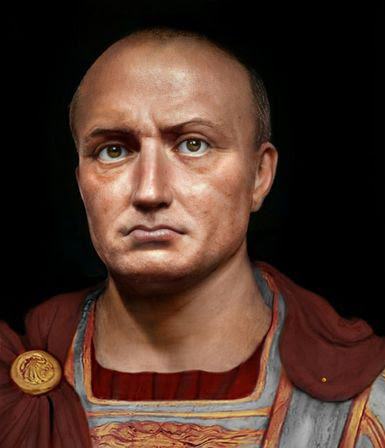
Scipio Africanus | Timeline

Colorization by Alessandro Tomasi
Publius Cornelius Scipio "Africanus"
 (236/235–183 BC) was a Roman general and statesman, most notable as one of the main architects of Rome's victory against Carthage in the Second Punic War. Often regarded as one of the best military commanders and strategists of all time, his greatest military achievement was the defeat of Hannibal at the Battle of Zama in 202 BC. This victory in Africa earned him the epithet Africanus, literally meaning “the African,” but meant to be understood as a conqueror of Africa. (Intro from Wikipedia)

January(?) 1(?), 236 B.C. - Rome, Roman Republic - Publius Cornelius Scipio is born
August(?) 1(?), 218 B.C. - Genoa, Italy - Publius Cornelius Scipio (his father) embarks his legions for Spain while Hannibal crosses the Pyrenees. He takes his 17-year-old son as leader of a small cavalry contingent =(START)
September 27, 218 B.C. - Massilia (Marseille, France) - At Massilia while Hannibal crosses the Rhône River
September 30, 218 B.C. - Roquemaure, Rhône River, France - Scipio (father) reaches the Carthaginian camp 3 days after they had left it, loosing an opportunity to stop them. He decides to pursue Hannibal to block him from entering Italy
November 30(?), 218 B.C. - Ticino River, Northern Italy - Scipio (father) and his cavalry run across Hannibal - Battle of Ticinus - Carthaginian victory - Scipio (father) is badly wounded, but in the confusion, his son cuts his way through to his wounded father and escorts him away from the fight, saving him from being either captured or killed. Scipio (son) is widely acclaimed for the heroic feat. Tiberius Sempronius Longus assumes the command while Scipio (father) recuperates
December 22, 218 B.C. - Trebia River, near Placentia, Northern Italy - Battle of the Trebia - Carthaginian victory (There's no certainty if he participated, but it is likely that he did)
January(?) 1(?), 216 B.C. - Rome - Young Scipio uses the reputation he had gained by saving his father's life to start his public career and run at the elections for military tribune. He is elected
July 25, 216 B.C. - Cannae, Apulia, SE Italy - Consuls Gaius Terentius Varro and Lucius Aemilius Paullus arrive at Cannae with a 85,000-strong army (including Scipio)
August 2, 216 B.C. - Cannae - Battle of Cannae - Catastrophic defeat for the Romans: +50,000 killed. Scipio survives and takes charge of some 10,360 survivors, together with another military tribune, Appius Claudius Pulcher
August 3(?), 216 B.C. - Canusium (Canosa di Puglia, Apulia) - 4,000 of the survivors, including Scipio, elude the carthaginian cavalry and make their way SW to Canusium
April(?) 1(?), 215 B.C. - While in Rome - In Catalonia, his father wins the Battle of Ibera/Dertosa against Hasdrubal Barca
January(?) 1(?), 213 B.C. - Rome - Scipio is elected for the post of "Curule Aedile", a magistracy post that supervisioned the markets, the food supply, public games, festivals and public buildings
January(?) 1(?), 211 B.C. - While in Rome - Battle of the Upper Baetis - Carthaginian victory. Both Scipio's father (Publius Cornelius Scipio) and uncle (Gnaeus Cornelius Scipio) are killed in battle
March 1, 211 B.C. - Rome - As a member of the Salii (a religious college dedicated to Mars), Scipio and other members of the Salii perform war Dances during the celebrations in honor of the Roman God of War
April(?) 1(?), 210 B.C. - Rome - Scipio is elected pro-consul and commander-in-chief of all Roman forces in Hispania. 10,000 infantry and 1,000 cavalry are assigned to him (to add to the strenght of the forces already in Hispania)
August(?) 1(?), 210 B.C. - Ostia - Scipio sets sail to Hispania with 30 quinqueremes
September(?) 1(?), 210 B.C. - Empurium (Empuries, NE of Girona) - Scipio lands in Hispania in late Summer
September(?) 15(?), 210 B.C. - Tarraco (Tarragona, Spain) - The army marches overland to the Roman headquarters in Tarraco
April(?) 1(?), 209 B.C. - Mouth of River Ebro (between Barcelona and Valencia) - Scipio begins his march toward Carthago Nova with 28,000 infantry and 3,000 cavalry, leaving Junius Silanus with 3,000 infantry and 500 cavalry to safeguard the territory north of the river
April(?) 15(?), 209 B.C. - Carthago Nova (Cartagena, Spain) - Scipio arrives in Carthago Nova in 14 days and takes up a position on the peninsula to blockade the city
April(?) 16(?), 209 B.C. - Carthago Nova - Scipio captures Carthago Nova
December(?) 1(?), 209 B.C. - Tarraco - Returns with his forces and hostages to Tarraco, where he winters
March(?) 1(?), 208 B.C. - Tarraco - Scipio begins his march toward Baetica (Andalucia)
April(?) 1(?), 208 B.C. - Baecula (Santo Tomé, NE of Jaén - Spain) - Battle of Baecula - Roman victory
September(?) 1(?), 208 B.C. - Tarraco - After the battle, Scipio leaves 11,000 troops in the field and withraws to his base at Tarraco
March(?) 1(?), 206 B.C. - Tarraco - Scipio begins another march toward Baetica (Andalucia)
April(?) 1(?), 206 B.C. - Ilipa, near Seville, Iberia - Battle of Ilipa - Roman victory
May(?) 1(?), 206 B.C. - Italica, 9km NW of Seville - Founds the settlement of Italica
July(?) 1(?), 206 B.C. - Tarraco - Scipio leaves Junius Silanus with 10,000 infantry and 1,000 cavalry in the field and returns to Tarraco after a 70-day march, stopping to conduct diplomacy and to sort out the affairs of numerous communities
October(?) 1(?), 206 B.C. - Cirta (Constantine, Algeria) - Pays a visit to the Numidian princes Syphax and Massinissa, arriving at the port at the same time of carthaginian general Hasdrubal Gisco. He concludes an agreement with Syphax, gaining for Rome a vital source of cavalry and detriving Carthage of the same.
October(?) 5(?), 206 B.C. - Carthago Nova - Returns to Carthago Nova in 4 days
October(?) 11(?), 206 B.C. - Ilorci (Lorquí, NW of Murcia) - After receaving news that wealthy communities near the silver mines north of Carthago Nova had refused to fulfill their treaty obligations, Scipio marches from Carthago Nova and reaches Ilorci in 5 days. After the city is assailed, during which Scipio is wounded, all population in killed and the city is burned to the ground
December(?) 1(?), 206 B.C. - Tarraco - Returns to Tarraco and puts the government of Hispania in the hands of Junius Silanus at Tarraco and Marcius Septimus in Carthago Nova, setting sail to Rome with 10 ships
January(?) 1(?), 205 B.C. - Rome - Returns to Rome and is met with "unexampled joy and acclamation". He gives an account of his actions in Hispania to the Senate, before formally resigning his command
March(?) 1(?), 205 B.C. - Rome - Scipio is elected Consul at the age of 31. Tries to go to Africa but is prevented by his enemies in Rome
March 15, 205 B.C. - Rome - Assumes his new office on the Ides of March
July 1(?), 205 B.C. - Messina, Sicily - Scipio arrives in Sicily in June or July with the objective of training his forces
August(?) 1(?), 205 B.C. - Locri, Calabria - Scipio seizes an opportunity to take the calabrian coastal town of Locri from the Carthaginians. Hannibal is forced to withraw
January(?) 1(?), 204 B.C. - While in Syracuse, Sicily - Re-elected Consul for 204 B.C.
April(?) 1(?), 204 B.C. - Lilybaeum (Marsala), western tip of Sicily - Scipio sails for Utica with over 35,000 hardened troops
April(?) 5(?), 204 B.C. - near Cape Farina, NE of Utica, Tunisia - Three days later, Scipio lands near Cape Farina, causing panic among Carthaginian civilians
October(?) 1(?), 204 B.C. - Utica, Tunisia - Scipio lays siege to Utica
November(?) 15(?), 204 B.C. - N. Of Medjerda River, Tunisia - Unable to take Carthage right away, Scipio lifts the siege to Utica after 40 days and withraws to winter at a strong position north of Medjerda River, near the coast 
April(?) 1(?), 203 B.C. - Utica - Battle of Utica - Roman victory
April 30(?), 203 B.C. - Medjerda River, Tunisia - Battle of the Great Plains - Roman victory
October 18(?), 202 B.C. - Zama, Carthage (Siliana, Tunisia) - Peace conference with Hannibal Barca
October 19, 202 B.C. - Zama - Battle of Zama - Roman decisive victory. End of the Second Punic War
December 17, 202 B.C. - On his way to Tunis, Tunisia - Scipio receives intelligence that Verminia, with a Numidian army, was on his way. The romans engage them and defeat them
March(?) 1(?), 201 B.C. - Lilybaeum (Marsala), western tip of Sicily - Scipio lands at Lilybaeum
May(?) 1(?), 201 B.C. - Rome - Returns to Rome in triumph. After his triumph parade he is given the nickname of "Africanus" (The African)
April 1(?), 199 B.C. - Rome - Elected Patrician Censor, the most distinguished magistracy in Rome
January(?) 1(?), 194 B.C. - Rome - Scipio is elected Consul for 194 B.C.
June(?) 1(?), 194 B.C. - Placentia (Piacenza, N. Italy) - Joins the other Consul Tiberius Sempronius Longus in Placentia, after his army is forced to withraw from Cisalpine Gaul after being attacked by the Boii
December(?) 1(?), 194 B.C. - Rome - Returns to Rome to preside at the elections for 193 B.C.
June(?) 1(?), 193 B.C. - Carthage, Tunisia - Travels to Carthage to mediate a conflict between the Carthaginians and Numidian king Massinissa
December(?) 1(?), 193 B.C. - Rome - Scipio campaigns for Publius Scipio Nasica and Caius Laelius for consulship
January(?) 1(?), 190 B.C. - Rome - Scipio's younger brother Lucius is elected Consul. Scipio declares that he would prefer to serve as his brother's legate
July 1(?), 190 B.C. - Brundisium (Brindisi, SE Italy) - Lucius Scipio's army begins assembling in Brundisium
August(?) 1(?), 190 B.C. - Apollonia (Pujan, near Fier, Albania) - The Scipios land at Apollonia with 13,000 infantry and 500 cavalry
September(?) 1(?), 190 B.C. - Amfissa, Central Greece - Amfissa is besieged and taken by the Scipios
September(?) 4(?), 190 B.C. - Pella, Macedon - Scipio arrives in Pella in just 4 days and visits King Philip of Macedon
October(?) 1(?), 190 B.C. - Hellespont (Dardanelles Strait, Turkey) - The Scipios reach the Hellespont
December(?) 1(?), 190 B.C. - Hellespont - The Scipios cross the Hellespont in 30 ships sent by the praetor Aemilius Regilus
December 30(?), 190 B.C. - Near Magnesia ad Sipylum (Manisa, Turkey) - Battle of Magnesia - Roman-Pergamene victory, marking the end of the macedonian phalanx's dominance on battlefields
September(?) 1(?), 189 B.C. - Rome - The Scipios return to Rome, via Corinth, Greece
January(?) 1(?), 188 B.C. - Rome - Lucius Scipio and Aemilius Regillus each celebrate a triumph. Lucius adopts the name "Asiagenus" to emulate his brother
January(?) 1(?), 187 B.C. - Liternum (Giugliano, Campania, Italy) - Retires to Liternum, 19km north of Naples, disillusioned with Roman politics and envious politicians
August(?) 1(?), 183 B.C. - Liternum - Scipio Africanus dies during the Summer of 183, aged 53 =(END)

Monday, 7 November 2022

Hannibal | Timeline

Colorization by Alessandro Tomasi
Hannibal (247 – between 183 and 181 BC) was a Carthaginian general and statesman who commanded the forces of Carthage in their battle against the Roman Republic during the Second Punic War. He is widely regarded as one of the greatest military commanders in history. (Intro from Wikipedia)

January(?) 1(?), 247 B.C. - Carthage, Tunisia - Hannibal Barca is born
August(?) 1(?), 237 B.C. - Gades (Cádiz, SW Spain) - Hamilcar Barca (and 9-year-old son Hannibal) land at Gades in the summer of 237 B.C.
January(?) 1(?), 236 B.C. - Peñiscola, Valencia, Iberia - 10-year-old Hannibal takes an oath to his father: "I swear so soon as age will permit...I will use fire and steel to arrest the destiny of Rome"
January(?) 1(?), 235 B.C.(?) - Carthage, Tunisia - Sent back to Carthage to continue his education
January(?) 1(?), 228 B.C. - W. of Toledo, Iberia - Witnesses the death of his father, Hamilcar Barca, by drowning in battle. 18-year-old Hannibal becomes an officer under Hamilcar's successor, Hasdrubal the Fair (his brother-in-law) =(START)
January(?) 1(?), 224 B.C. - Carthago Nova (Cartagena, Spain) - At the age of 25 he becomes commander of Hasdrubal's cavalry in the field
January(?) 1(?), 221 B.C. - Carthago Nova - 26-year-old Hannibal is elected Chief Commander of the army in Hispania after Hasdrubal is killed by an assassin
June(?) 1(?), 221 B.C. - Carteia (Between Gibraltar and Algeciras) - Lays siege to Carteia
September(?) 1(?), 221 B.C. - Alithia (Central-Eastern Spain) - Attacks and storms the Olcades' strongest center, Alithia, which surrenders
January(?) 1(?), 220 B.C. - Central Spain - Battle of the River Tagus against the Carpetani - Carthaginian victory
December(?) 1(?), 220 B.C. - Carthago Nova (Cartagena, Spain) - Retires to Cartagena to winter. Sends embassies to the Padane Gauls (gallic tribes in the Po Valley, Northern Italy)
January(?) 1(?), 219 B.C. - Helmantica (Salamanca) | Arbucala (Toro), Northern central Spain - Storms the Vaccaen strongholds of Helmantica and Arbucala
May 1(?), 219 B.C. - Saguntum (Sagunto, Valencia, Spain) - Hannibal lays siege to Saguntum
December 1(?), 219 B.C. - Saguntum - The last defences of Saguntum are overrun by the Carthaginians. Hannibal sells all the inhabitants as slaves and distributes the booty from the sacking of the city to his soldiers
January(?) 1(?), 218 B.C. - Carthago Nova - Returns to Carthago Nova for the winter of 219-218 B.C.
May 30, 218 B.C. - Carthago Nova - Hannibal sets out to the Alps with 82,000 heavy infantry, 12,000 cavalry and 37 elephants
July 15, 218 B.C. - Ebro River, Spain - Hannibal crosses Ebro River
July 25(?), 218 B.C. - Catalonia - Spends July and August subduing the peoples living in Catalonia. He leaves Hanno with 11,000 soldiers there. 10,000 infantry and 1,000 cavalry are sent back to Carthago Nova
August(?) 1(?), 218 B.C. - Col de la Perche, Pyrenees, France - Hannibal crosses the Pyrenees at Col de la Perche
September 15, 218 B.C. - Illiberis (Elne), near Perpignan, SW France - Hannibal's army columns reunites and encamps at Illiberis with 50,000 heavy infantry and 9,000 cavalry
September 27, 218 B.C. - Pont St.Esprit, Rhône River, France - Hannibal camps at Roquemaure, on the western shore of the Rhône River. The Carthaginian army crosses the River in 3 days, 40km north of Roquemaure, at Pont St.Esprit
October 17, 218 B.C. - Col du Petit Saint-Bernard, French Alps - Hannibal begins the crossing of the Alps at Col du Petit Saint-Bernard
November 1, 218 B.C. - Ivrea, Piedmont, NW Italy - The Carthaginian army reaches the "foot of the Alps" after 15 days crossing
November 15(?), 218 B.C. - Turin, Italy - Hannibal captures Turin
November 30(?), 218 B.C. - Ticino River, Northern Italy - Hannibal runs across Scipio (father) and his cavalry - Battle of Ticinus - Carthaginian victory
December 22, 218 B.C. - Trebia River, near Placentia, Northern Italy - Battle of the Trebia - Carthaginian victory
January(?) 1(?), 217 B.C. - Alessandria, Piedmont - Winter near Alessandria
April 1(?), 217 B.C. - Around Arretium (Arezzo, Italy) - Hannibal decides to find a more reliable base of operations farther south
June 21, 217 B.C. - Near Passignano, Lake Trasimene, Central Italy - Battle of Lake Trasimene - Carthaginian victory (25,000 romans killed or captured). The road to Rome was open
September 1(?), 217 B.C. - Mount Callicula, Campania, Italy - Battle of Ager Falernus - Carthaginian victory
October(?) 1(?), 217 B.C. - Geronium, Molise, Italy - Battle of Geronium - Carthaginian victory
June 1(?), 217 B.C. - Geronium - Hannibal and the Carthaginian Army begin their march to Cannae
August 2, 216 B.C. - Cannae, Apulia, SE Italy - Battle of Cannae - Catastrophic defeat for the Romans: +50,000 killed. The city of Capua defects to Hannibal
December(?) 1(?), 216 B.C. - Capua, 25km N. of Naples, Italy - Hannibal goes into winter quarters in Capua and makes it his new base
August 1(?), 215 B.C. - Capua - Conducts campaigns against Nola and Casilinum from Capua
December(?) 1(?), 215 B.C. - Arpi, Apulia, Italy (N. of Foggia) - Goes into winter quarters at Arpi
August(?) 1(?), 214 B.C. - Beneventum (Benevento, Campania) - Battle of Beneventum - Roman victory
December(?) 1(?), 214 B.C. - Salapia, Apulia (between Cerignola and Manfredonia) - Goes into winter quarters at Salapi. The romans recapture Casilinum
August(?) 1(?), 213 B.C. - 80km from Tarantum (Taranto, SE Italy) - Hannibal establishes camp 80km from Tarantum during the Summer
March 1(?), 212 B.C. - Tarantum (Taranto, SE Italy) - Hannibal captures Tarantum in a surprise attack but fails to obtain control of the citadel, which commanded its harbour
August(?) 1(?), 212 B.C. - Capua - First battle of Capua - Carthaginian victory
October(?) 1(?), 212 B.C. - Silarus (Sele) River, Italy - Battle of the Silarus - Carthaginian victory (15,000 romans killed)
November(?) 1(?), 212 B.C. - Herdonia (Ordona, Foggia) - First Battle of Herdonia - Carthaginian victory (16,000 romans killed)
December(?) 1(?), 212 B.C. - Tarantum (Taranto, SE Italy) - Winter quarters at Tarantum
April(?) 1(?), 211 B.C. - While in Tarantum - Hannibal fails to relieve the besieged Capua and the city falls to the romans
December(?) 1(?), 211 B.C. - Tarantum - Winter quarters at Tarantum
June(?) 1(?), 210 B.C. - Herdonia - Second Battle of Herdonia - Carthaginian victory
December(?) 1(?), 210 B.C. - Tarantum - Winter quarters at Tarantum
April(?) 1(?), 209 B.C. - Canusium (Canosia di Puglia, Apulia) - Battle of Asculum - Carthaginian Victory
May(?) 1(?), 209 B.C. - While in Caulonia (Monasterace, Reggio Calabria) - The romans sack Tarantum while Hannibal destroys a 8,000 strong roman detachment at Caulonia
August(?) 1(?), 208 B.C. - Petelia, Calabria - Battle of Petelia - Carthaginian victory
December(?) 1(?), 208 B.C. - Metapontum (Metaponto, 40km from Taranto) - Winter quarters at Metapontum
April(?) 1(?), 207 B.C. - Grumentum (Gromento Nova, S. of Potenza) - Battle of Grumentum - Minor roman victory
June 23, 207 B.C. - While in Apulia - Hasdrubal Barca is defeated and killed in the battle of the Metaurus. Hannibal decides to withraw to Calabria
July(?) 1(?), 207 B.C. - Bruttium (Calabria) - Withraws to Brutium (Calabria) after learning of Hasdrubal Barca's defeat and death in the battle of the Metaurus
June(?) 1(?), 206 B.C. - Vicinity of Locri, Calabria - Scipio Africanus takes Locri from the Carthaginians. Hannibal is forced to withraw
December(?) 1(?), 205 B.C. - Crotone, Calabria - Winter quarters at Crotone
August(?) 1(?), 204 B.C. - Crotone - Battle of Crotona - inconclusive
December(?) 1(?), 204 B.C. - Crotone - Recalled to Carthage to direct the defence against a roman invasion under Scipio Africanus. Rome was free of her worst enemy
October(?) 1(?), 203 B.C. - Leptis Parva, Tunisia - Lands at Leptis Parva with 24,000 men
December(?) 1(?), 203 B.C. - Hadrumetum (Sousse, Tunisia) - Winters at Hadrumetum
October 18(?), 202 B.C. - Zama, Carthage (Siliana, Tunisia) - Peace conference with Scipio Africanus
October 19, 202 B.C. - Zama - Battle of Zama - Decisive Roman victory
January(?) 1(?), 196 B.C. - Carthage - Hannibal is elected shophet(*) of the republic of Carthage. (*) Community leader of chief magistrate
January(?) 1(?), 195 B.C. - Carthage - A Roman embassy arrives in Carthage and demands the surrender of Hannibal as a war criminal. He flees from Carthage to the Seleucid Court, via Tyre and Antioch
January(?) 1(?), 190 B.C. - Ephesus (SW of Selçuk, Turkey) - King Antiochus III gives Hannibal his first military command since arriving at his court 5 years earlier. His orders were to travel to Cilicia (SE Turkey) and supervise the construction of a war fleet there =(changeflag)
August 1(?), 190 B.C. - Off Side, Southern Turkey - Battle of the Eurymedon - Rhodian victory
January(?) 1(?), 182 B.C. - Libyssa, near Nicomedia (Izmit, NW Turkey) - Hannibal Barca commits suicide by poisoning, so as not to fall in the hands of T. Quinctius Flamininus, aged 64-66 =(END)

Saturday, 15 October 2022

Alexander the Great | Timeline

Alexander III of Macedon
(20/21 July 356 BC – 10/11 June 323 BC), commonly known as Alexander the Great, was a king of the ancient Greek kingdom of Macedon. He succeeded his father Philip II to the throne in 336 BC at the age of 20, and spent most of his ruling years conducting a lengthy military campaign throughout Western Asia and Egypt. By the age of thirty, he had created one of the largest empires in history, stretching from Greece to northwestern India. He was undefeated in battle and is widely considered to be one of history's greatest and most successful military commanders. (Intro from Wikipedia)

July 21, 356 B.C. - Pella, Macedon - Alexander III of Macedon (the Great) is born
January(?) 1(?), 345 B.C. - Pella - Menaechmus becomes Alexander's tutor
January(?) 1(?), 342 B.C. - Pella - Aristotle becomes Alexander's tutor at Pella
August 2, 338 B.C. - Chaeronea, Boeotia, Central Greece - Battle of Chaeronea against an alliance of city-states led by Athens and Thebes - Macedonian victory - Alexander commands the left wing of the macedonian army and Philip the right =(START)
January(?) 1(?), 337 B.C. - Dodona, Epirus, NW Greece - Alexander flees to Dodona with his mother and brother Alexander I of Epirus, after the marriage of his father Philip II with Cleopatra Eurydice, niece of Macedonian general Attalus
June(?) 1(?), 337 B.C. - Pella - Returns to Pella after 6 months
October 21, 336 B.C. - Aigai (Near Vergina, Northern Greece) - King Philip II of Macedon is assassinated, aged 46. Alexander succeeds his father to the throne of Macedonia at the age of 20
December 1(?), 335 B.C. - Pelium, Illyria (Albania) - Siege of Pelium - Macedonian victory. The Illyrians swear loyalty to Alexander for a time
December 15(?), 335 B.C. - Thebes, Boeotia, Central Greece - Alexander destroys the city of Thebes after the rebellion. He orders the execution of all male inhabitants and the enslavement of the women and children
April 1(?), 334 B.C. - Amphipolis, Macedon, Greece - Alexander leaves for Asia from Amphipolis at the head of a huge army
May(?) 1(?), 334 B.C. - Hellespont (Dardanelles Strait, Turkey) - Alexander crosses the Hellespont with 48,100 soldiers, 6,100 cavalry and a fleet of 120 ships (with crews numbering 38,000)
May 15(?) 334 B.C. - Granicus, Balikesir, NW Turkey - Battle of the Granicus against the Persian Achaemenid Empire - Macedonian victory - Cleitus the Black saves Alexander's life during the battle
June 1(?), 334 B.C. - Sardis (Sart, Turkey) - Accepts the surrender of the Persian provincial capital of Sardis
July 1(?), 334 - Miletus (Balat, SW Turkey) - Captures Miletus
September 1?), 334 B.C. - Halicarnassus (Bodrum, SW Turkey) - Lays siege to Halicarnassus, capturing the city and the whole region of Caria
December 1(?), 334 B.C. - Phaselis, 43km W. of Antalya, Turkey - Alexander captures Phaselis, near Kemer, Turkey
January 1(?), 333 B.C. - Perge (Murtina, near Aksu, Turkey) - Alexander occupies Perge with his army
April 1(?), 333 B.C. - Gordium (Yassıhüyük, SW of Ankara, Turkey) - At Gordium he is shown the legendary Gordian Knot. A prophecy said that whoever could untie it, he would rule the whole Asia. Alexander takes his sword and cuts it in half
September 1(?), 333 B.C. - Tarsus, South-central Turkey - Passes through Tarsus (Turkey), the Cilician capital city
October 1(?), 333 B.C. - Soli (Mezetlu, W. of Mersin, Turkey) - Alexander drives the Persians out of Cilicia. He imposes a fine of 200 talents on Soli for favoring the Persians
November 5, 333 B.C. - Issus, Anatolia (near Iskenderun, Turkey) - Battle of Issus - Macedonian victory over Persian King Darius III
January 1(?), 332 B.C. - Byblos | Sidon, Phoenicia (Lebanon) - Alexander arrives in Byblos (40 km north of Beirut, Lebanon) and Sidon
January 20(?), 332 B.C. - Tyre, Phoenicia (now Lebanon) - Alexander lays siege to Tyre, ordering the building of a causeway to the fortified island of Tyre
July 1(?), 332 B.C. - Tyre - The Macedonians storm the fortified city and capture it, killing around 6,000 soldiers inside the walls. Due to the duration of the siege and the Tyrians having executed some of his soldiers in full view of the Macedonians, Alexander orders the crucifixion of 2,000 Tyrians on the beach in reprisal. About 30,000 people are sold into slavery
September 1(?), 332 B.C. - Gaza, Persian Egypt (now Palestine) - Lays siege to Gaza and takes the city - The male population is killed. Women and children are sold into slavery. Alexander proceeds to the south towards Egypt
December 1(?), 332 B.C. - Pelusium (30km South of Port Said, Egypt) - Continues to Pelusium on the Nile Delta, where the Persian governor of Egypt surrenders the entire province to Alexander, along with the royal treasure
January 1(?), 331 B.C. - Memphis, Egypt - Crowned Pharaoh in the temple of Ptah at Memphis
February 1(?), 331 B.C. - Siwa, Egypt (near Libya) - Trip to the Siwa Oasis to consult the oracle of Amun-Ra
April 1(?), 331 B.C. - Alexandria, Egypt - Alexander the Great founds Alexandria in Egypt
May 1(?), 331 B.C. - Tyre, Phoenicia - Returns to Tyre, where he receives news of trouble back in Macedon
July 1(?), 331 B.C. - Euphrates River, Syria - Alexander begins his eastward movement into the heart of the Persian Empire. On the way, he receives a message that the Persian king Darius assembled a huge army in Gaugamela (100 km west of Erbil, northern Iraq) and he decides to go straight to face him
October 1, 331 B.C. - Gaugamela (100km West of Erbil, Northern Iraq) - Battle of Gaugamela - Major macedonian victory over King Darius III of Persia
October 20(?), 331 B.C. - Babylon (Hillah, Central Iraq) - Enters Babylon in triumph and is recognized by persian officials as its new rightful ruler
December 1(?), 331 B.C. - East of Susa (Shush, Khuzestan, Iran) - Battle of the Uxian Defile against the Uxian tribe of the Persian Empire - Macedonian Victory
December(?) 15(?), 331 B.C. - Susa - Alexander sits on the throne of Persia at Susa
January 20, 330 B.C. - Tang-e Meyran Pass, near Yasuj, Iran - Battle of the Persian Gate - Alexander defeats the Persians under Ariobarzanes, opening the way to capture Persepolis
January 25(?), 330 B.C. - Persepolis, Persia (NE of Shiraz, Iran) - Alexander reaches Persepolis, the Empire's ceremonial capital and orders the burning and pillaging of the city in retribution for the persian invasion of Greece in 480 B.C.
June 1(?), 330 B.C. - Ecbatana (Hamedan, Western Iran) - Heads northwest to the city of Ecbatana, where Darius had taken refuge. When he arrives in the city, Darius had fled east to raise an army. He pursues the Persian king eastwards
July 1(?), 330 B.C. - Thara, near the South Caspian Sea Coast - King Darius III is murdered by one of his governors, Bessus, who proclaims himself the Persian Empire's new ruler. Alexander pauses to organize his vast new Empire and gives orders for Darius to be buried in the royal tombs of Persepolis
September 1(?), 330 B.C. - Alexandria Ariana (Herat, NW Afghanistan) - Alexander founds the city of Alexandria Ariana (Herat, Afghanistan)
October 1(?), 330 B.C. - Phrada (Farah, Western Afghanistan) - Alexander heads south to Phrada. A plot to kill him is discovered. Philotas (one of his commanders) is accused and executed. Assassins are sent to kill his father, the Macedonian general Parmenion, before he learns of his son's execution.
October 15(?), 330 B.C. - While in Phrada - Parmenion is assassinated in Ecbatana
December 1(?), 330 B.C. - Alexandria Arachosia (Kandahar, Afghanistan) - Alexander resumes his pursuit of Bessus. He founds the city of Alexandria Arachosia (Kandahar, Afghanistan)
May 1(?), 329 B.C. - Drapsaca (Kunduz, NE Afghanistan) - Alexander crosses modern Afghanistan from the southwest to the northeast and reaches Kunduz, where Bessus is captured and sent back to Persia for execution for murdering a king
May 10(?), 329 B.C. - Bactra (Balkh, Northern Afghanistan) - Takes Bactra from the sogdians
June 1(?), 329 B.C. - Maracanda (Samarkand, Uzbekistan) - Alexander the Great conquers Samarkand from the sogdians
July 1(?), 329 B.C. - Cyropolis, near Khujand, Northern Tajikistan - Siege of Cyropolis
July 20(?), 329 B.C. - Alexandria Eschate, near Khujand, Tajikistan - Alexander founds the City of Alexandria Eschate (Alexandria the farthest)
October 1(?), 329 B.C. - Syr Darya River, near Khujand, Tajikistan - Battle of Jaxartes against the Saka, an iranian people - Macedonian victory
November 1(?), 329 B.C. - Maracanda - Alexander kills Cleitus the Black with a javelin during a drunken quarrel. He would be consumed by remorse for months
April(?) 1(?), 328 B.C. - Alexandria Oxiana (on the Oxus), Al-Khanoum, Afghanistan ( or Kampir Tepe, Uzbekistan) - Alexander founds Alexandria Oxiana (on the Oxus), Al-Khanoum, Afghanistan (or Kampir Tepe, Uzbekistan)
December 1(?), 328 B.C. - Nautaca (Uzunkir, near Shakhrisabz, between Samarkand and Karshi, Uzbekistan) - General Ptolemy captures Bessus at Nautaca
March 1(?), 327 B.C. - Sogdiana, Tajikistan - Siege of the Sogdian Rock (Early Spring). Sogdiana is captured and there Alexander falls in love at first sight with Sogdian (or Bactrian) Princess Roxana
April(?) 1(?), 327 B.C. - Bactra (Balkh, Northern Afghanistan) - Returns to Bactra. Another plot to kill him is uncovered. His page Hermolaus and accomplices are stoned to death
April?) 15(?), 327 B.C. - Bactra - Marries Princess Roxana, despite opposition from his companions and generals
May(?) 1(?), 327 B.C. - Kapisa, Alexandria in the Caucasus (Bagram, Afghanistan) - Decides to cross the Hindu Kush from Alexandria in the Caucasus
May 15(?), 327 B.C. - Cophen (Kabul) River, northern Pakistan - Cophen campaign (until March 326 B.C.)
September 1(?), 327 B.C. - Khyber Pass, Afghanistan-Pakistan border - Crosses the Khyber Pass
September 15(?), 327 B.C. - Massaga, Soastus (Swat) Valley, near Thana, Pakistan - After crossing the Swat valley, Alexander takes the Assacenian capital of Massaga
October(?) 1(?), 327 B.C. - Aornus Rock (Pir Sarai, 1600m, at the Indus River, Pakistan) - Siege of Aornus
March 1(?), 326 B.C. - Nysa, near Jalalabad, Eastern Afghanistan - Detour to Nysa, said to have been founded by Dionysius
April(?) 1(?), 326 B.C. - Taxila, near Islamabad - Alexander advances to Taxila and forges an alliance with the local king
May 1(?), 326 B.C. - Jhelum River, near Jhelum, northern Pakistan - Battle of the Hydaspes River - Macedonian Victory and annexation of Punjab - King Porus surrenders
August 31, 326 B.C. - Beas River, Himachal Pradesh, Northwest India - Alexander's army mutinies. His men had not seen their homes and families for 8 years. With the rumour of huge armies waiting for them in India, they refuse to advance any further. Alexander is furious but has no choice but to turn the army around and follow the rivers of Punjab to the southwest
November 1(?), 326 B.C. - Multan, Punjab, Pakistan - Mallian Campaign and siege of Multan (until February 325 B.C.) - Alexander is wounded in the chest and nearly killed while leading the assault on Multan
December 1(?), 326 B.C. - Patala (Hyderabad, Indus River Mouth, Pakistan) - On reaching the Indus River mouth, part of the army under Admiral Nearchus board ships and return to Persia by Sea
October(?) 1(?), 325 B.C. - Gedrosian Desert, Baluchistan (Iran, southern Pakistan) - Alexander crosses the Gedrosian Desert with part of his army. It would be the greatest mistake of his career
December 1(?), 325 B.C. - Hormuz, SE Iran - Reunites with Nearchus and the rest of his army
January 1(?), 324 B.C. - Pasargadae, NE of Shiraz, Iran - Alexander arrives in Pasargadae with light troops and restores the tomb of Cyrus I
February 1(?), 324 B.C. - Persepolis, Persia (NE of Shiraz, Iran) - Returns to Persepolis after crossing the Gedrosian desert (southern Pakistan). The journey under extreme heat and shortages of food and water leads to a terrible death toll in his army. On his arrival, Alexander has several of his viceroys and governors executed for corruption and robbing temples and tombs
March 1(?), 324 B.C. - Susa (Shush, Khuzestan, Iran) - At Susa, Alexander arranges a mass marriage of macedonian officers to 80 persian noblewomen, to strenghten bonds between his two kingdoms. He marries Princess Stateira II, daughter of Darius III of Persia
April?) 1(?), 324 B.C. - Opis (20km SE of Baghdad) - His army mutinies again, offended by Alexander's apparent preference of persian ways and persian advisors. He has the ring leaders executed and makes a speech for the soldiers reminding them of the battles they fought together, after which there's an emotional reconciliation
August(?) 1(?), 324 B.C. - Ectabana (Hamedan, Western Iran) - Arrives in Ectabana
October 1(?), 324 B.C. - Ecbatana - Hephaestion, Alexander's best friend and second in command, dies of typhoid fever, aged 32
January(?) 1(?), 323 B.C. - Cossaea region (between Ectabana and Susa) - Campaign against the mountain raiders of Cossaea
April(?) 1(?), 323 B.C. - Babylon (Hillah, Central Iraq) - Alexander returns to Babylon and receives embassies from the whole known world
Roman mosaic depicting Alexander the Great
May 28, 323 B.C. - Babylon - Entertains Admiral Nearchus
May 29, 323 B.C. - Babylon - Spends the day drinking with Medius of Larissa. Alexander is struck with pain after downing a large bowl of unmixed wine in honour of Heracles. poisoning is suspected immediately
June 11, 323 B.C. - Babylon - Alexander the Great dies after days of weakness and agony, aged 32 =(END)

Wednesday, 5 October 2022

Ramesses II | Timeline

Ramesses II
(meaning "Ra is the one who bore him"; c. 1303–1213 BC), commonly known as Ramesses the Great, was the third pharaoh of the Nineteenth Dynasty of Egypt. Along with Thutmose III he is often regarded as the greatest, most celebrated, and most powerful pharaoh of the New Kingdom, itself the most powerful period of Ancient Egypt. (Intro from Wikipedia)

January(?) 1(?), 1303 B.C. - Nile Delta region (future site of Pi-Ramesses) - Ramesses II is born
January(?) 1(?), 1289 B.C. - Memphis, Egypt(?) - At age 14, he is appointed Prince Regent by his father, Seti I
January(?) 1(?), 1288 B.C. - Memphis(?) - 15-year-old Prince Ramesses marries 13-year-old Nefertari
January(?) 1(?), 1281 B.C. - Nubia, Southern Egypt - Launches a Nubian campaign, accompanied by two of his sons, aged 22 =(START)
May 31, 1279 B.C. - Memphis, Egypt(?) - Assumes the throne, aged 24
January(?) 1(?), 1277 B.C. - Pi-Ramesses (Qantir, Nile Delta, Egypt) - Construction of the new capital city of Pi-Ramesses begins
January(?) 1(?), 1276 B.C. - Nahr al-Kalb (Dog River), near Jeita, Lebanon - Leads a Syrian campaign and overwhelms the kingdom of Amurru, compelling it to forsake Hittite allegiance and return to Egyptian rule
January(?) 1(?), 1275 B.C. - While in Pi-Ramesses(?) - Two new temples begin construction at Abu Simbel
May 1(?), 1274 B.C. - Pi-Ramesses - Ramesses II lauches a second campaign from Pi-Ramesses and moves along the coast to modern Gaza
May 30(?), 1274 B.C. - Orontes River, near Kadesh (Lebanon-Syria border) - Battle of
Battle of Kadesh
Kadesh against the Hittites - inconclusive
January(?) 1(?), 1274 B.C. - While in Pi-Ramesses(?) - Libyan campaign led by Prince Merneptah
January(?) 1(?), 1273 B.C. - Nahr al-Kalb | Beirut, Lebanon - 3rd syrian campaign
January(?) 1(?), 1272 B.C. - Galilee (N Israel/S Lebanon) - 4th syrian campaign - Ramesses II subjugates Galilee and probably regains Upi and Damascus
January(?) 1(?), 1270 B.C. - Syria Region - 5th syrian campaign
January(?) 1(?), 1269 B.C. - Dapur, N of Kadesh, Hittite Empire (Syria region) - Siege and capture of Dapur
January(?) 1(?), 1262 B.C. - Beth-She'an, Northern Canaan - New crisis with the Hittites
January(?) 1(?), 1259 B.C. - Pi-Ramesses - End of construction of Pi-Ramesses. Soon the city would have 300,000 inhabitants
January(?) 1(?), 1258 B.C. - Pi-Ramesses - Peace Treaty (the first in History) between Ramesses II and King Ḫattušili III of the Hittites: Ramesses II recognizes Khattushili as legitimate ruler and gives up all claim to Kadesh. Egyptian interests in Phoenicia are safeguarded.
January(?) 1(?), 1257 B.C. - Thebes, Egypt - Queen Mother Tuya dies
January(?) 1(?), 1255 B.C. - Abu Simbel, Nubia (Egypt-Sudan border) - Ramesses II and his queen Nefertari travel to Nubia to inaugurate the great temple of Abu Simbel. On the return trip, Queen Nefertari dies
January(?) 1(?), 1249 B.C. - Pi-Ramesses - Sed Festival, celebrating the 30th year of his reign
January(?) 1(?), 1246 B.C. - Pi-Ramesses(?) - Queen Isisnefret dies. Ramesses II marries Khattushili III's eldest daughter
January(?) 1(?), 1239 - Pi-Ramesses -
A second Hittite Princess becomes Queen
January(?) 1(?), 1236 B.C. - Nubia, Southern Egypt - Expedition to Nubia
January(?) 1(?), 1230 B.C. - Pi-Ramesses - Prince Khâemouaset becomes heir to the throne
January(?) 1(?), 1225 B.C. - Pi-Ramesses - Crown Prince Khâemouaset dies. Merenptah becomes Crown Prince
August 1(?), 1213 B.C. - Pi-Ramesses, Egypt - Ramesses II dies in July or August, aged 90/91 =(END)

Monday, 26 September 2022

Natalia Molchanova | Timeline

Natalia Vadimovna Molchanova
(8 May 1962 – 2 August 2015) was a Russian champion free diver, multiple world record holder, and the former president of the Russian Free Dive Federation. She has been described as "possibly the world’s greatest freediver". (Intro from Wikipedia)

May 8, 1962 - Ufa, Soviet Union - Natalia Vadimovna Molchanova is born
October(?) 1(?), 1982 - Ufa(?) - Retires from swimming at 20
January 24, 1985 - Moscow - Her daughter Oksana is born
March 6, 1987 - Volgograd, Soviet Union - Her son Alexey Molchanov is born
January(?) 1(?), 2002 - Moscow, Russia - While coping with a recent divorce, Molchanova moves to Moscow and switches from swimming to Free Diving at the age of 40 =(START)
May 1(?), 2002 - Dahab, Egypt - Flies to Dahab, egyptian resort on the Red Sea, for a basic freediving course with Julia Petrik
April 26, 2003 - Moscow - Sets a national record in Russia for the 2003 Russian Free Diving Championship - 142m under water on a single breath and static apnea of 5:39"
May 26, 2003 - Limassol, Cyprus - Dynamic Apnea with fins record - 150m - World record on her second competition
May 31, 2003 - Limassol - Sony FreeDiver Open Classic - Dynamic and Constant Weight - 1st place
January(?) 1(?), 2004 - Dahab, Egypt - Training Dive - Molchanova becomes the first woman to dive on one breath through the Blue Hole arch in Dahab, Egypt. She swam the length of an 82-foot-long underwater arch at more than 170 feet of depth and returned to the surface unscathed
April 19, 2004 - Moscow - Molchanova and son Alexey compete at the Freediving Russian Championship
April 25, 2004 - Moscow - Dynamic Apnea with fins record - 155m
April 23, 2005 - Moscow - Dynamic Apnea without fins record - 108m
April 24, 2005 - Moscow - Dynamic Apnea with fins record - 172m
August 25, 2005 - Renens, Switzerland - Dynamic Apnea with fins record - 178m | Static Apnea record - 7:16" | Dynamic Apnea without fins record - 124m
September 3, 2005 - Villefranche, France - Constant weight with fins record - 86m
November 5, 2005 - Dahab, Egypt - Free immersion record - 78m
November 7, 2005 - Dabab - Constant weight without fins record - 55m
December 20, 2005 - Tokyo, Japan - Dynamic Apnea without fins record - 131m
April 22, 2006 - Moscow - Static Apnea record - 7:30"
April 23, 2006 - Moscow - Dynamic Apnea with fins record - 200m
June 3, 2006 - Dahab, Egypt - Free immersion record - 80m
July 5, 2007 - Maribor, Slovenia - Free Diving World Championship in Maribor: Dynamic Apnea with fins record - 205m
July 6, 2007 - Maribor - Free Diving World Championship in Maribor: Molchanova's winning time is better than the winning male gold medal
July 7, 2007 - Maribor - Dynamic Apnea without fins record - 149m
June 10, 2008 - Dahab, Egypt - Free immersion record - 82m
June 12, 2008 - Dahab - Constant weight without fins record - 60m
July 25, 2008 - Crete, Greece - Constant weight with fins record - 95m
July 27, 2008 - Crete - Free immersion record - 85m
October 5, 2008 - Lignano, Italy - Dynamic Apnea with fins record - 214m
August 20, 2009 - Aarhus, Denmark - Dynamic Apnea without fins record - 160m
August 21, 2009 - Aarhus - Static Apnea record - 8:23"
September 25, 2009 - Sharm el Sheikh, Egypt - Molchanova becomes the first woman to pass 100 meters diving with constant weight - 101m
September 27, 2009 - Sharm el Sheikh - Free immersion record - 90m
December 3, 2009 - Dean's Blue Hole, Bahamas - Constant weight without fins record - 62m
April 25, 2010 - Moscow - Dynamic Apnea with fins record - 225m
June 16, 2010 - Kalamata, Greece - Variable Weight Apnea record - 125m
April 8, 2011 - Dean's Blue Hole, Bahamas - Vertical Blue 2011, Blue Hole (until April 18th)
April 16, 2011 - Dean's Blue Hole, Bahamas - Molchanova dives 100m - Constant weight with fins in the Blue Hole
September 22, 2011 - Kalamata, Greece - Constant weight apnea record - 101m
September 24, 2011 - Kalamata - Free immersion record - 88m
May 8, 2012 - Dahab, Egypt - Constant weight without fins record - 66m
June 6, 2012 - Sharm el Sheikh, Egypt - Variable weight apnea record - 127m
April 25, 2013 - Dahab, Egypt - Constant weight without fins record - 68m
June 27, 2013 - Belgrade, Serbia - Individual AIDA Pool World Championships Belgrade 2013 - Dynamic Apnea without fins - World Record 182m underwater
June 28, 2013 - Maribor, Slovenia - Freediving World Championships - 09:02 in static apnea!!! | Dynamic Apnea with fins record - 234m
September 16, 2013 - Kalamata, Greece - Constant weight without fins record - 69m
September 21, 2013 - Kalamata - Free immersion record - 91m
May 15, 2014 - Dahab, Egypt - Constant weight without fins record - 70m
September 19, 2014 - Cagliari, Sardinia - AIDA Team World Championship
May 8, 2015 - Dahab, Egypt - Extends her no fins record (71m) on her 53th birthday
June 27, 2015 - Belgrade, Serbia - AIDA World Individual Pool Championship - 1st place
July 1(?), 2015 - Krk, Croatia - Conducts a freediving course in Croatia with Alexey and Oksana. She is then invited to organize a small private course off the coast of the island of Formentera in Spain.
August 1, 2015 - Formentera Island, Spain - Molchanova lands on the Island of Formentera, Balearic Islands, Spain
August 2, 2015 - NW of La Savina, Formentera Island, Spain - Natalia Molchanova disappears while giving a private lesson dive to russian tycoon Pavel Tyo, NW of Formentera. It is thought that she was caught by a strong current at a depth of 40 meters and taken down. She was 53 =(END)

Thursday, 1 September 2022

Alain Colas | Timeline

Alain Colas
(September 16, 1943 - November 16, 1978) was a French sailor. He is particularly known for his victory in the 1972 English Transat as well as for his solo circumnavigation sailing record in 1973, sailing with "Manuréva", Éric Tabarly's former catamaran "Pen Duick IV". Subsequently, he built the 72-meter monohull "Club Méditerranée" with which he finished fifth in the 1976 English Transat. A man of communication, he was the first to rely on the power of the media to develop sponsorship in ocean racing.
His disappearance in November 1978 during the first "Route du Rhum" is shrouded in mystery — no part of a wreck has ever been found — which notably fueled Serge Gainsbourg's writing of the song Manureva, performed in 1979 by Alain Chamfort .

September 16, 1943 - Clamecy, Nièvre, France - Alain Colas is born
January(?) 1(?), 1949 - Clamecy - Primary School at Clamecy
January(?) 1(?), 1954 - Vanves - High School at Vanves
January(?) 1(?), 1961 - Auxerre, France - Obtains a baccalaureate in Philosophy from Lycée Paul Bert
January(?) 1(?), 1962 - Dijon - Attends the Faculty of Arts in Dijon for a year
January(?) 1(?), 1963 - Paris - Studies English at the Sorbonne
July 1(?), 1963 - Clamecy - Creates the canoe-kayak club of Clamecy
January(?) 1(?), 1965 - Clamecy - His father sends him an advertisement in "Le Monde" in which the University of Sydney was looking for a lecturer. He applies for the job immediately
December 24, 1965 - Clamecy - The University of Sydney rejects his application, but he maintains his plans to travel to Australia
January 6, 1966 - Marseille, France - Departs France for Australia on board the "Tahitien" (The only Marseille-Australia liner in January) =(START)
January 7, 1966 - Algiers, Algeria - Port call in Algiers
January 11, 1966 - Funchal, Madeira Island, Portugal - Port call in Funchal, Madeira Island
January 18, 1966 - Guadeloupe, Caribbean - Port call in Guadeloupe
January 20, 1966 - Curaçao, Caribbean - Port call in Curaçao
January 22, 1966 - Balboa, Panama - Port call in Balboa
February 2, 1966 - Taioha'e, Nuku Hiva, Marquesas Islands - Port call in Taioha'e
February 4, 1966 - Papeete, Tahiti - Port call in Tahiti
February 16, 1966 - Port Vila, Vanuatu - Port call in Vanuatu
February 18, 1966 - Nouméa, New Caledonia - Port call in Nouméa
February 25, 1966 - Sydney, Australia - The "Tahitien" arrives in Sydney
June(?) 1(?), 1966 - Sydney - Colas begins teaching French at St.John's College, University of Sydney. He begins sailing on his free time and soon becomes his passion
December 26, 1967 - Sydney - Starts the Sydney to Hobart Yacht race as a crewmember of Éric Tabarly's "Pen Duick III" along with other future legend Olivier de Kersauson
December 30, 1967 - Hobart, Tasmania - Tabarly wins the Sydney to Hobart Yacht race
January 17, 1968 - Ouvéa Island, New Caledonia - Hurricane Brenda surprises Tabarly while "Pen Duick III" is anchored at Ouvéa Island. For two days he faces the biggest storm of his career while he tries to escape to Nouméa
January 18, 1968 - Nouméa, New Caledonia - Tabarly reaches the relative safety of Nouméa harbour
January 25, 1968 - Nouméa - Sails from Nouméa for Sydney
February 1, 1968 - Sydney, Australia - Returns to Sydney. "Pen Duick III" is embarked on the freighter "La Vanoise" to France
May 30(?), 1968 - Paris, France - Returns to Paris during the "May of 68"
November 26, 1968 - La Trinité-sur-Mer, SE of Lorient - Tabarly sails for Martinique with Alain Colas and Olivier de Kersauson
December 6, 1968 - Tenerife, Canary Islands - Stopover in Tenerife to shelter from bad weather
December 8, 1968 - Tenerife - Continues voyage to Martinique
December 19, 1968 - Fort-de-France, Martinique - Tabarly arrives in Fort-de-France, Martinique
December 22(?), 1968 - Paris, France - Colas flies home to spend time with his family
February 2, 1969 - Fort-de-France, Martinique(?) - Tabarly rejoins his crew (including Colas) after supervising the construction of "Pen Duick V" and its transport to San Francisco by freighter. He sails with "Pen Duick IV" for San Francisco, via the Panama Canal
February 4, 1969 - Caribbean Sea - The centreboard breaks, delaying their voyage
February 15(?), 1969 - Panama Canal - "Pen Duick IV" transits the Panama Canal
March 6, 1969 - San Diego, California - Arrives in San Diego. Tabarly then travels to San Francisco by car, to where "Pen Duick V" was waiting for him
March 16, 1969 - San Francisco, California - Start of the Transpacific race
April 25, 1969 - Jagoshima Island, Japan - Tabarly (and Colas) win the transpacific race in 39 days (advantage of 11 days to the 2nd place)
May 9, 1969 - Tokyo, Japan - Tabarly receives the trophy of 1st place in the Transpacific race
June(?) 21(?), 1969 - Papeete, Tahiti - Meets yachtsman Bernard Moitessier (Gold Globe regatta participant, who retires from the race on June 21st)
July 1(?), 1969 - Los Angeles, California - Returns to California
July 4, 1969 - Los Angeles - The Los Angeles - Honolulu race begins. Tabarly starts one hour after all the other competitors
July 12, 1969 - Honolulu, Hawaii - Tabarly wins the race and breaks the record by 24 hours
August(?) 1(?), 1969 - San Francisco, California - After the race, Tabarly returns to San Francisco for regattas and exhibitions to try to sell "Pen Duick IV"
October 1(?), 1969 - Nouméa, New Caledonia - Tabarly sells "Pen Duick IV" to Alain Colas to pay for unforeseen taxes
June 1(?), 1970 - San Francisco - Participates in the San Francisco - Papeete race with the "Narragansset"
August 31, 1970 - Pitcairn Islands - Restarts the race again
December 1(?), 1970 - Sydney, Australia | Hobart, Tasmania - Enrolls "Pen Duick IV" in the Sydney-Hobart race
February(?) 1(?), 1971 - Papeete, Tahiti - Meets his future wife Teura Krause
September(?) 1(?), 1971 - Papeete - Sails for Reunion, via Darwin, with Teura
November 23(?), 1971 - Darwin, Australia - Sails for Reunion with Teura
December 16, 1971 - Reunion, Indian Ocean - Sails for France alone after sailing for 24 days from Darwin. Teura flies to France due to her seasickness
February 19, 1972 - La Trinité-sur-Mer, France - Colas reaches La Trinité-sur-Mer after 66 days at sea (then a record for a solo voyage)
June 1(?), 1972 - Plymouth, England - Arrives in Plymouth with "Pen Duick IV" ready for OSTAR
June 17, 1972 - Plymouth - The 1972 OSTAR starts
July 7, 1972 - Newport, Rhode Island - Alain Colas wins the 1972 Transat with "Pen Duick IV", reaching Newport in a record time of 20 days
August(?) 1(?), 1972 - Brittany, France - He tries to break return record but fails with a race time of 17 days and 8 hours
September 1, 1972 - Deauville, Normandy - Colas and Teura attend a party with Michel d'Ornano
December 1(?), 1972 - Paris, France - Participates in a round table on "Sport and Quality of Life", led by Anne Aymone Giscard d'Estaing. He becomes a "Knight of the Legion d'Honneur"
January 1, 1973 - Paris - With Prime-Minister Pierre Messmer and Éric Tabarly at the Nautical Salon at the CNIT
March 2, 1973 - Paris - Tabarly and Colas are photographed with the crew of "Pen Duick IV"
July 1(?), 1973 - Chantiers et ateliers de la Perrière, Lorient - "Pen Duick IV" begins a refitto reinforce the forward buoyancy of the three hulls. Colas renames the trimaran "Manuréva"
July 16, 1973 - Deauville, Normandy - On the Port-Deauville jetty, Guy Nicolas, the Captain of the French-Channel Yachting Team that won the France Cup in 1973 has his footprints made, aswell as Alain Colas, winner of the Golden Neptune in 1972
Manuréva
September 8, 1973 - St.Malo -
Colas sets off from St.Malo with the "Manuréva". His objective is to reach Sydney in under 80 days and break the record set by the "Cutty Sark"
September 17, 1973 - Off Cape St.Vicent, Portugal - Sailing off Cape St.Vincent, Portugal
September 24, 1973 - SE of Cape Verde - Sailing Southeast of Cape Verde Islands
September 27, 1973 - Latitude of Sierra Leone - middle Atlantic - Colas reaches the latitude of Sierra Leone, in the middle of the Atlantic
October 5, 1973 - 750 miles off the coast of Bahia - Sailing 750 miles off the coast of Bahia
October 11, 1973 - Between Southern Brazil and South Africa - Colas changes course to the east
October 22, 1973 - Cape of Good Hope - Colas passes the Cape of Good Hope
November 2, 1973 - Between Kerguelen and South Africa - Sailing in the Roaring Forties between Kerguelen and South Africa
November 16, 1973 - 600 miles south of Perth, Western Australia - Sailing in the Roaring Forties 600 miles south of Perth, Western Australia
November 27, 1973 - Sydney, Australia - Colas reaches Sydney in 79 days, a new solo record. He is met on arrival by Teura and his parents
December 29, 1973 - Sydney - Colas sets off from Sydney on the same day that his mentor Éric Tabarly leaves Sydney with "Pen Duick VI" on the next leg of the Whitbread Round the World Race
February 2, 1974 - W. of Cape Horn - He is met by the british Antartic survey vessel, the "Endurance", which escorts the "Manuréva" through the night as she nears Cape Horn. The next day, in calm conditions, an inflatable put off from the "Endurance" with spare fuel and some supplies
February 3, 1974 - Cape Horn - Colas rounds Cape Horn with surprising calm seas and azure sky
March 29, 1974 - St.Malo, France - Arrives back in St.Malo, 90 days out of Sydney, and he is received as a hero
July 6, 1974 - Plymouth, England - Two handed Round Britain and Ireland Race
May 19, 1975 - La Trinité-sur-Mer, SE of Lorient | Nantes - Before he had raised all of the money needed for his next project, Colas suffers a a serious setback: Whilst attempting to anchor "Manuréva", his right leg became trapped in the anchor cable whilst it was running out. His right foot was virtually severed at the ankle. Colas is taken to hospital in Nantes where the doctors doubted if he would ever walk again. They wanted to amputate what was remaining of his foot. Colas refused to allow this.
June(?) 1(?), 1975 - Nantes - After a series of some 22 operations, many undertaken without unaesthetic at behest of Colas who wanted to remain alert at all times, Colas recovers
July 1(?), 1975 - Nantes - Writes from his hospital bed to the OSTAR Race Committee saying "surgeons have done wonders and I shall join the party next June for the race to Newport"
August 10, 1975 - La Trinité-sur-Mer - Sails for Marseille, the new homeport of the boat
November 19, 1975 - Yonne, Clamecy - Convalescing at home
January 19, 1976 - Paris - Visits the Navigation Salon in Paris
January 22, 1976 - Paris - Attends the presentation of the film "around the world for a victory" at the Olympia
February 1(?), 1976 - Toulon - The OSTAR Committee meets with Colas, accompanied by his doctor who was himself a yachtsman. The Committee agrees he could enter the race provided he undertook an additional single handed qualitying cruise of 1,500 miles between not more than four points in the North Atlantic
February 15, 1976 - Toulon - The 72-metre-long, four-masted sailboat "Club Méditerranée" is launched at the Arsenal du Mourillon
March 1(?), 1976 - Toulon - Tabarly visits Alain Colas and his "Club Méditerranée" in Toulon
Club Mediterranée
March 21, 1976 - Toulon - Sea trials
May 5, 1976 - Lisbon, Portugal - Stopover in Lisbon, Portugal
May 12, 1976 - Le Havre, France - Colas arrives in Le Havre
June 5, 1976 - Le Havre | Plymouth, England - Sails to Plymouth to start the 1976Transatlantic race (Transat) with "Club Méditerranée". A record of 125 yachts leave the english city for that edition of the race
June 28(?), 1976 - Newfoundland, Canada - Technical stopover in Newfoundland for 36 hours
June 29, 1976 - Newport, Rhode Island - Finishes the Transat race in second, after Éric Tabarly
July 4, 1976 - Hudson River, United States - Represents France on "Club Méditerranée" at the Hudson River ship parade for the bicentennial of the United States
July 9, 1976 - Bermuda - Arrives in Bermuda
July(?) 20(?), 1976 - Canary Islands - Organizes the "Welcome abord" operation, mooring the giant "Club Mediterranée" in the main ports of the Canaries and the Atlantic, welcoming visitors on board for free in the morning and organizing fishing trips for a fee
August 15(?), 1976 - La Trinité-sur-Mer, France - Returns to France
August 8, 1977 - Bastia, Corsica - Signing his book in Bastia, Corsica
September 15(?), 1978 - St.Malo - "Manuréva" is arrives in St.Malo from Saint Mandrier
November 5, 1978 - St.Malo - Start of the 1st "Route du Rhum" from St.Malo to Ponte-à-Pitre, Guadaloupe
November 6, 1978 - Off Ushant/Ouessant, Brittany - The fleet is picked up by a violent depression off Ushant/Ouessant that causes major damage to many skippers
November 12, 1978 - Between Terceira and Graciosa Islands, Azores - Colas sails between the Islands of Terceira and Graciosa, Azores Archipelago
November 16, 1978 - 300 miles W-SW of Flores Island - By night, Colas sends a message to RMC radio: "I am in the eye of the storm, there is no longer any sky, everything is amalgam, there are only mountains of water around me". According to Teura, he called her, shouting her name three times before a sound was heard and the call ends.
November 17, 1978 - 300 miles W-SW of Flores Island - Alain Colas and his "Manuréva" sail into the eye of the cyclone and are swallowed by the Sea, never to be found. He was 35 =(END)